
Learn About The Law
Get help with your legal needs
FindLaw’s Learn About the Law features thousands of informational articles to help you understand your options. And if you’re ready to hire an attorney, find one in your area who can help.
Current as of January 02, 2025 | Updated by Findlaw Staff
(a) The vertical plane radiation characteristics show the relative field being radiated at a given vertical angle, with respect to the horizontal plane. The vertical angle, represented as θ, is 0 degrees in the horizontal plane, and 90 degrees when perpendicular to the horizontal plane. The vertical plane radiation characteristic is referred to as f(θ). The generic formula for f(θ) is:
f(θ)=E(θ)/E(O)
where:
E(θ) is the radiation from the tower at angle theta.
E(O) is the radiation from the tower in the horizontal plane.
(b) Listed below are formulas for f(θ) for several common towers.
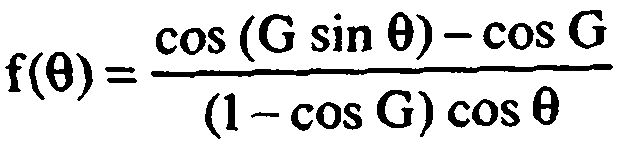
(1) For a typical tower, which is not top-loaded or sectionalized, the following formula shall be used:
where:
G is the electrical height of the tower, not including the base insulator and pier. (In the case of a folded unipole tower, the entire radiating structure's electrical height is used.)
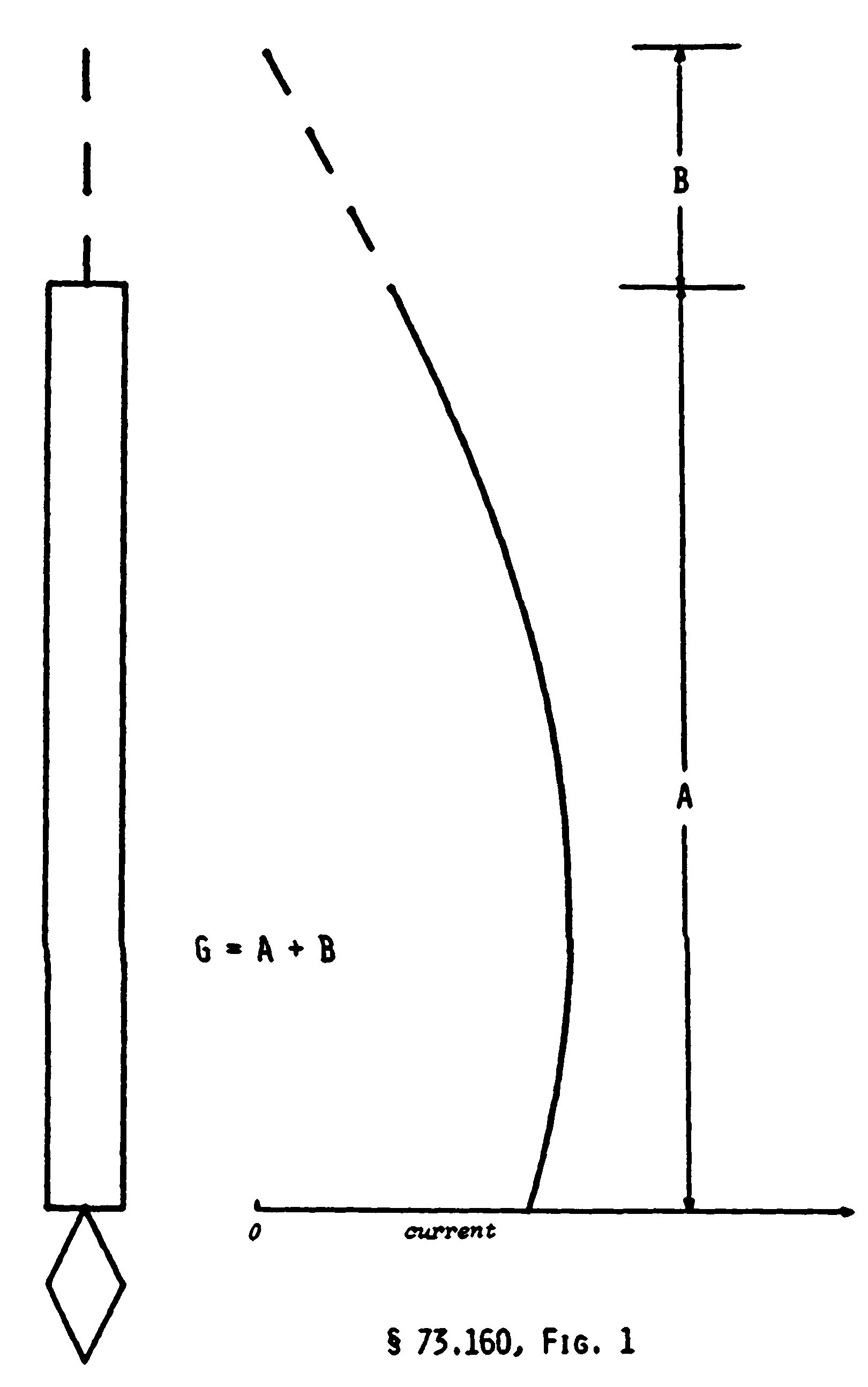
(2) For a top-loaded tower, the following formula shall be used:
where:
A is the physical height of the tower, in electrical degrees, and
B is the difference, in electrical degrees, between the apparent electrical height (G, based on current distribution) and the actual physical height.
G is the apparent electrical height: the sum of A and B; A+B.
See Figure 1 of this section.
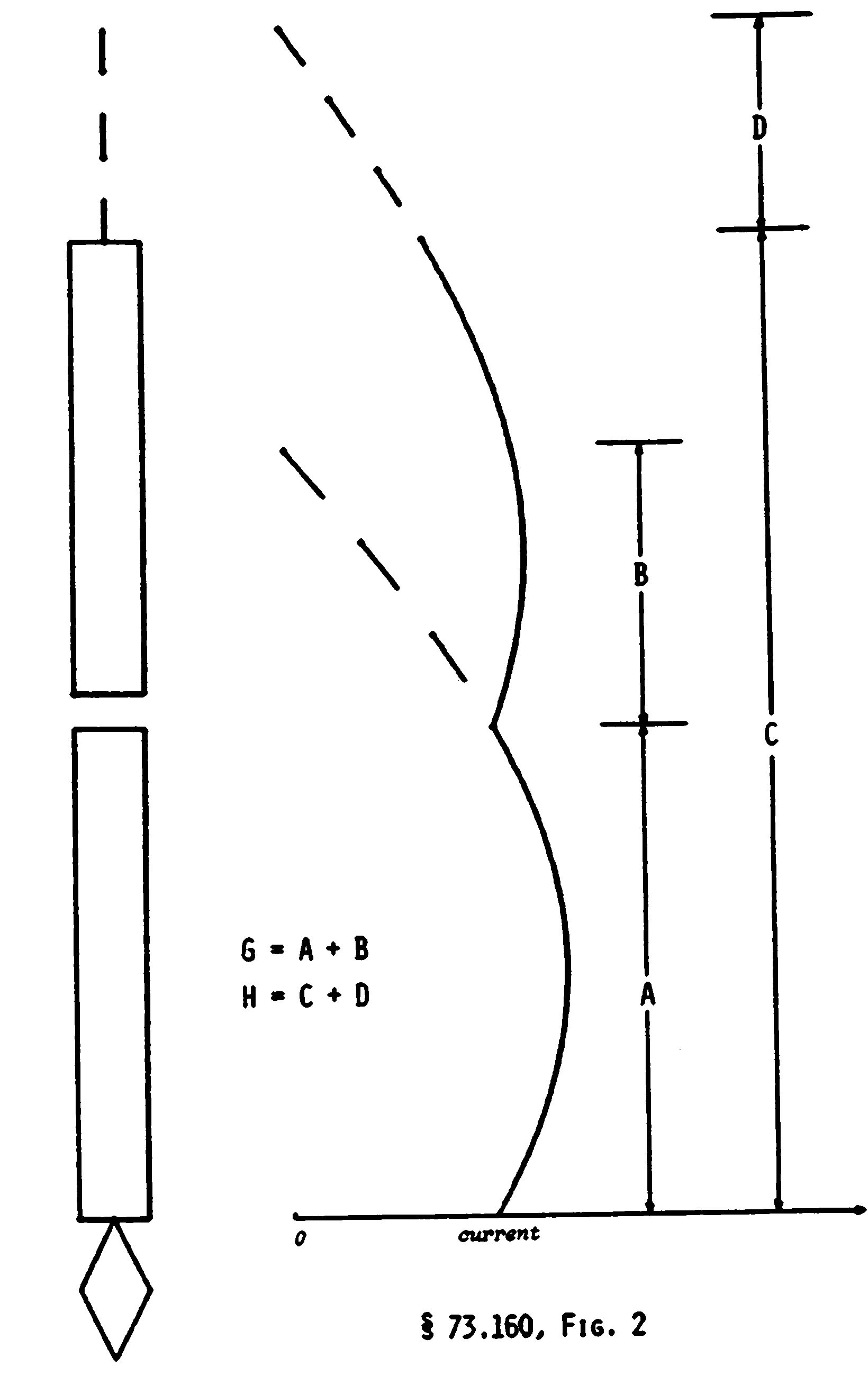
(3) For a sectionalized tower, the following formula shall be used:
where:
A is the physical height, in electrical degrees, of the lower section of the tower.
B is the difference between the apparent electrical height (based on current distribution) of the lower section of the tower and the physical height of the lower section of the tower.
C is the physical height of the entire tower, in electrical degrees.
D is the difference between the apparent electrical height of the tower (based on current distribution of the upper section) and the physical height of the entire tower. D will be zero if the sectionalized tower is not top-loaded.
G is the sum of A and B; A+B.
H is the sum of C and D; C+D.
Δ is the difference between H and A; H–A.
See Figure 2 of this section.
(c) One of the above f(θ) formulas must be used in computing radiation in the vertical plane, unless the applicant submits a special formula for a particular type of antenna. If a special formula is submitted, it must be accompanied by a complete derivation and sample calculations. Submission of values for f(θ) only in a tabular or graphical format (i.e., without a formula) is not acceptable.
(d) Following are sample calculations. (The number of significant figures shown here should not be interpreted as a limitation on the number of significant figures used in actual calculations.)
(1) For a typical tower, as described in paragraph (b)(1) of this section, assume that G=120 electrical degrees:
|
&b.thetas; |
f(&b.thetas;) |
|---|---|
|
0․․․․․․․․․․․․․․․․․․․․․․․․․․․․․․․․․․․․․․․․․․․․․․․․․․․․․․․․․․․․․․․․․․․․․․․․․․․․․․․․ |
1.0000 |
|
30․․․․․․․․․․․․․․․․․․․․․․․․․․․․․․․․․․․․․․․․․․․․․․․․․․․․․․․․․․․․․․․․․․․․․․․․․․․․․․․ |
0.7698 |
|
60․․․․․․․․․․․․․․․․․․․․․․․․․․․․․․․․․․․․․․․․․․․․․․․․․․․․․․․․․․․․․․․․․․․․․․․․․․․․․․․ |
0.3458 |
(2) For a top-loaded tower, as described in paragraph (b)(2) of this section, assume A=120 electrical degrees, B=20 electrical degrees, and G=140 electrical degrees, (120+20):
|
&b.thetas; |
f(&b.thetas;) |
|---|---|
|
0․․․․․․․․․․․․․․․․․․․․․․․․․․․․․․․․․․․․․․․․․․․․․․․․․․․․․․․․․․․․․․․․․․․․․․․․․․․․․․․․ |
1.0000 |
|
30․․․․․․․․․․․․․․․․․․․․․․․․․․․․․․․․․․․․․․․․․․․․․․․․․․․․․․․․․․․․․․․․․․․․․․․․․․․․․․․ |
0.7364 |
|
60․․․․․․․․․․․․․․․․․․․․․․․․․․․․․․․․․․․․․․․․․․․․․․․․․․․․․․․․․․․․․․․․․․․․․․․․․․․․․․․ |
0.2960 |
(3) For a sectionalized tower, as described in paragraph (b)(3) of this section, assume A=120 electrical degrees, B=20 electrical degrees, C=220 electrical degrees, D=15 electrical degrees, G=140 electrical degrees (120+20), H=235 electrical degrees (220+15), and Δ=115 electrical degrees (235–120):
|
&b.thetas; |
f(&b.thetas;) |
|---|---|
|
0․․․․․․․․․․․․․․․․․․․․․․․․․․․․․․․․․․․․․․․․․․․․․․․․․․․․․․․․․․․․․․․․․․․․․․․․․․․․․․․․ |
1.0000 |
|
30․․․․․․․․․․․․․․․․․․․․․․․․․․․․․․․․․․․․․․․․․․․․․․․․․․․․․․․․․․․․․․․․․․․․․․․․․․․․․․․ |
0.5930 |
|
60․․․․․․․․․․․․․․․․․․․․․․․․․․․․․․․․․․․․․․․․․․․․․․․․․․․․․․․․․․․․․․․․․․․․․․․․․․․․․․․ |
0.1423 |


Cite this article: FindLaw.com - Code of Federal Regulations Title 47. Telecommunication § 47.73.160 Vertical plane radiation characteristics, f(θ) - last updated January 02, 2025 | https://codes.findlaw.com/cfr/title-47-telecommunication/cfr-sect-47-73-160/
FindLaw Codes may not reflect the most recent version of the law in your jurisdiction. Please verify the status of the code you are researching with the state legislature before relying on it for your legal needs.
Make It a Preferred Google Search Source
Get help with your legal needs
FindLaw’s Learn About the Law features thousands of informational articles to help you understand your options. And if you’re ready to hire an attorney, find one in your area who can help.
