
Learn About The Law
Get help with your legal needs
FindLaw’s Learn About the Law features thousands of informational articles to help you understand your options. And if you’re ready to hire an attorney, find one in your area who can help.
Current as of January 02, 2025 | Updated by Findlaw Staff
(a) Except as specified in paragraph (b) of this section, each monohull sailing vessel and auxiliary sailing vessel must be shown by design calculations to meet the stability requirements in this section.
(b) Additional or different stability requirements may be needed for a vessel of unusual form, proportion, or rig. The additional requirements, if needed, will be prescribed by the Commandant.
(c) Each vessel must have positive righting arms in each condition of loading and operation from—
(1) 0 to at least 70 degrees of heel for service on protected or partially protected waters; and
(2) 0 to at least 90 degrees of heel for service on exposed waters.
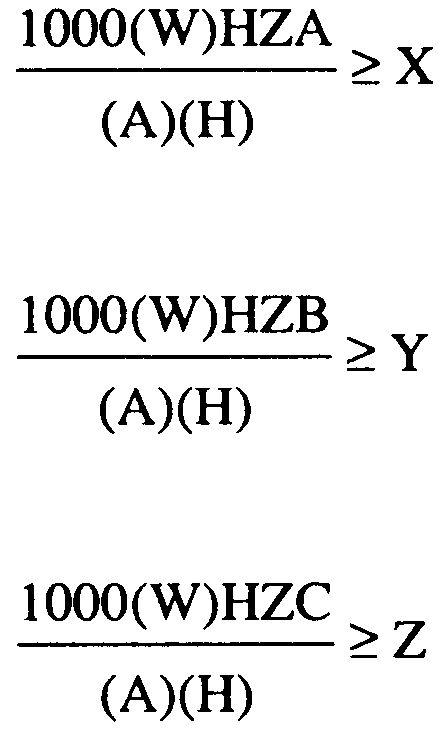
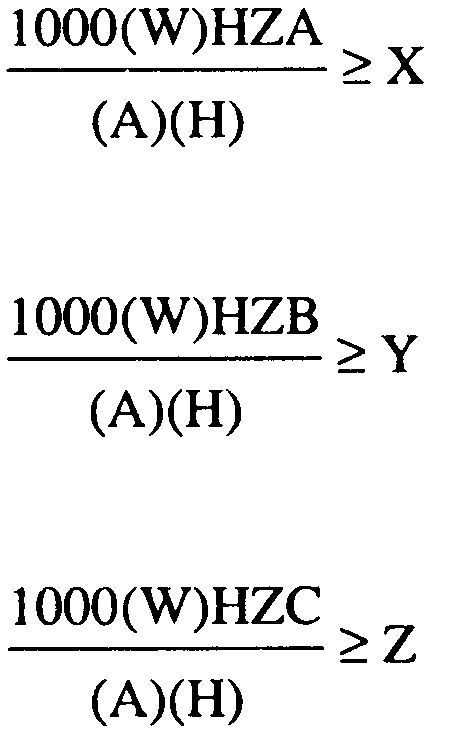
(d) Each vessel must be designed to satisfy the following equations:
(1) For a vessel in service on protected or partially protected waters—
where—
X=1.0 long tons/sq. ft. (10.9 metric tons/sq. meter).
Y=1.1 long tons/sq. ft. (12.0 metric tons/sq. meter).
Z=1.25 long tons/sq. ft. (13.7 metric tons/sq. meter).
(2) For a vessel on exposed waters—
where—
HZA, HZB, and HZC are calculated in the manner specified in paragraph (e) or (f) of this section.
X=1.5 long tons/sq. ft. (16.4 metric tons/sq. meter).
Y=1.7 long tons/sq. ft. (18.6 metric tons/sq. meter).
Z=1.9 long tons/sq. ft. (20.8 metric tons/sq. meter).
A=the projected lateral area or silhouette in square feet (meters) of the portion of the vessel above the waterline computed with all sail set and trimmed flat. Sail overlap areas need not be included except parachute type spinnakers which are to be added regardless of overlap.
H=the vertical distance in feet (meters) from the center of A to the center of the underwater lateral area or approximately to the one-half draft point.
W=the displacement of the vessel in long (metric) tons.
(e) Except as provided in paragraph (f) of this section, HZA, HZB, and HZC must be determined as follows for each condition of loading and operation:
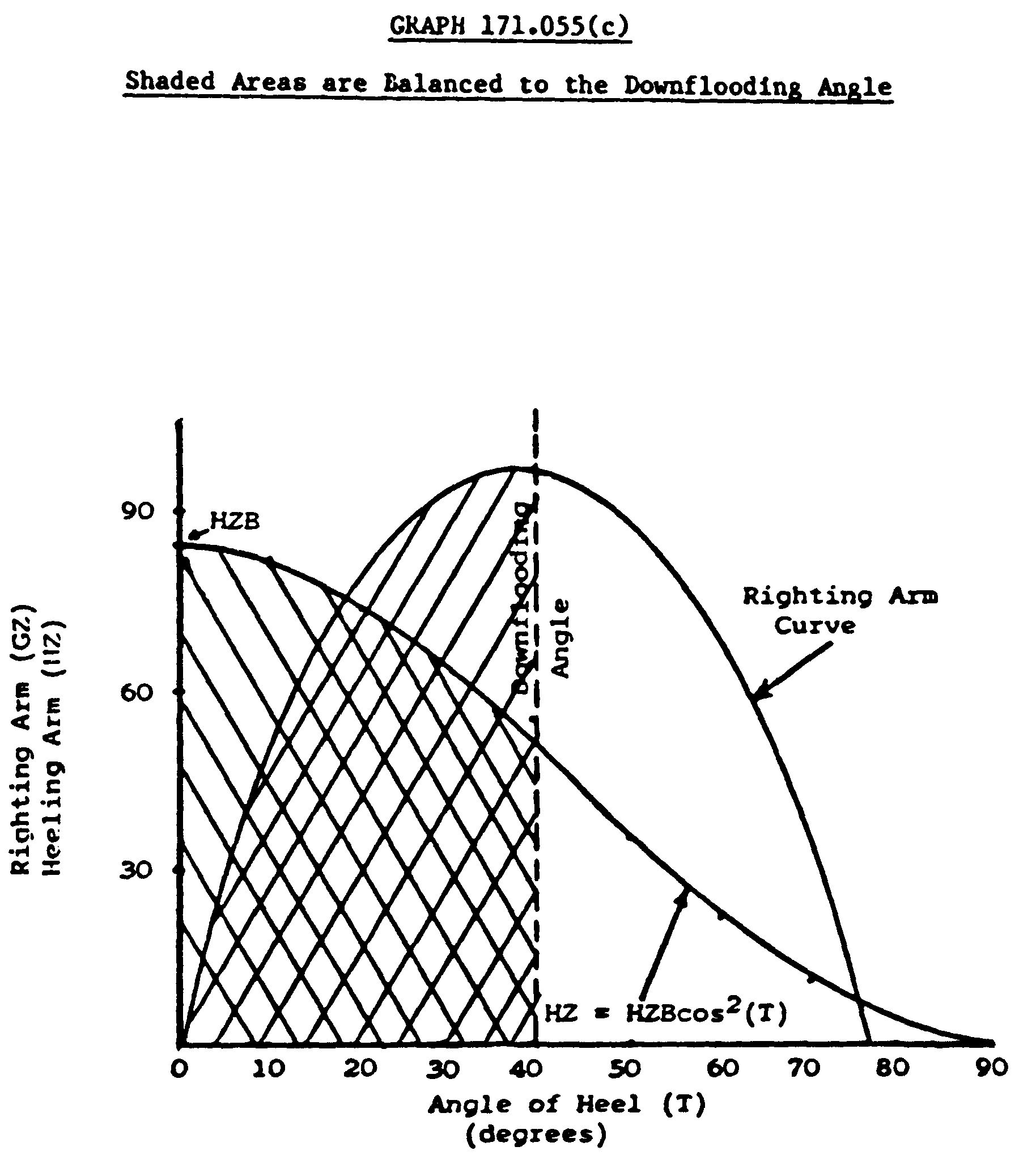
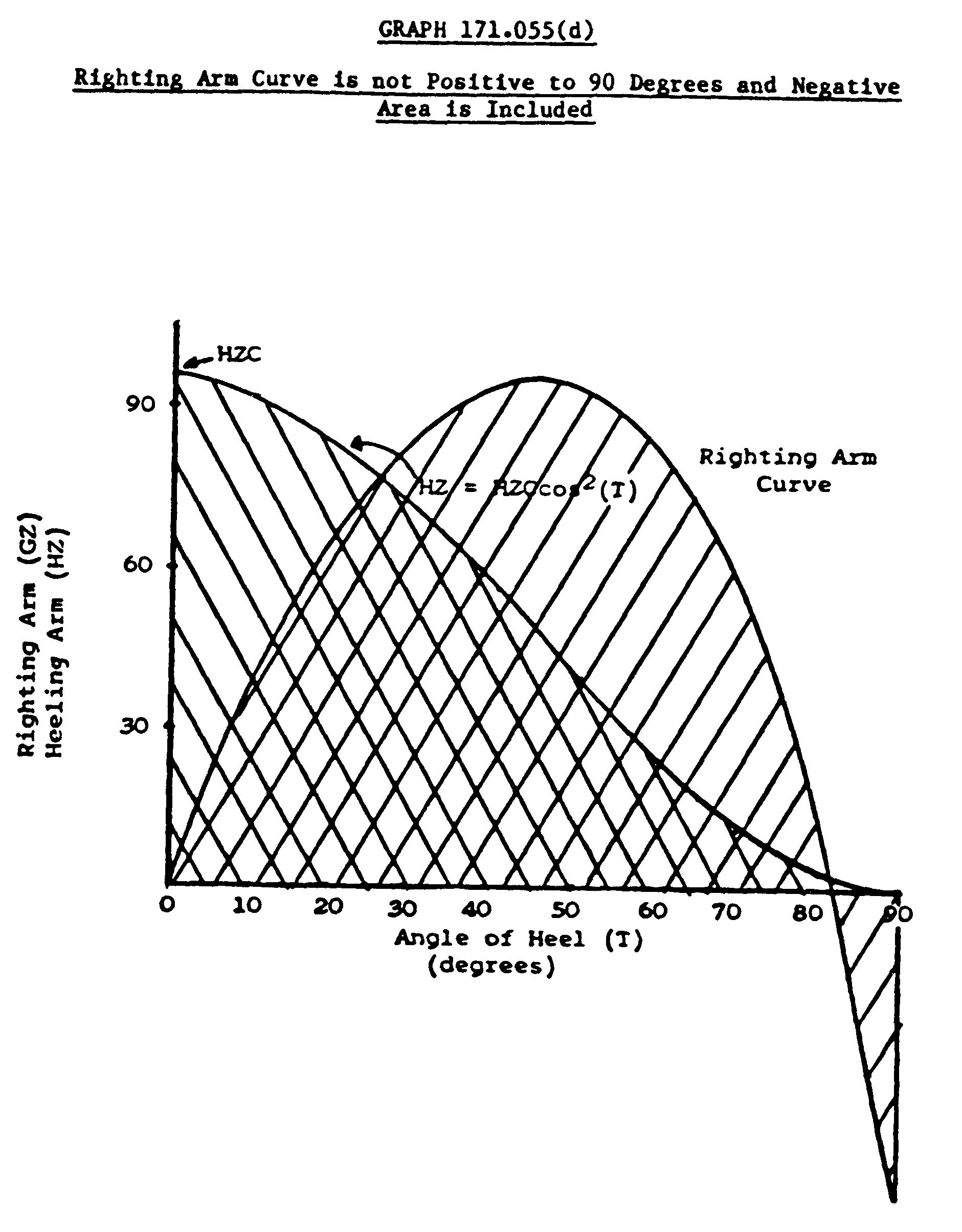
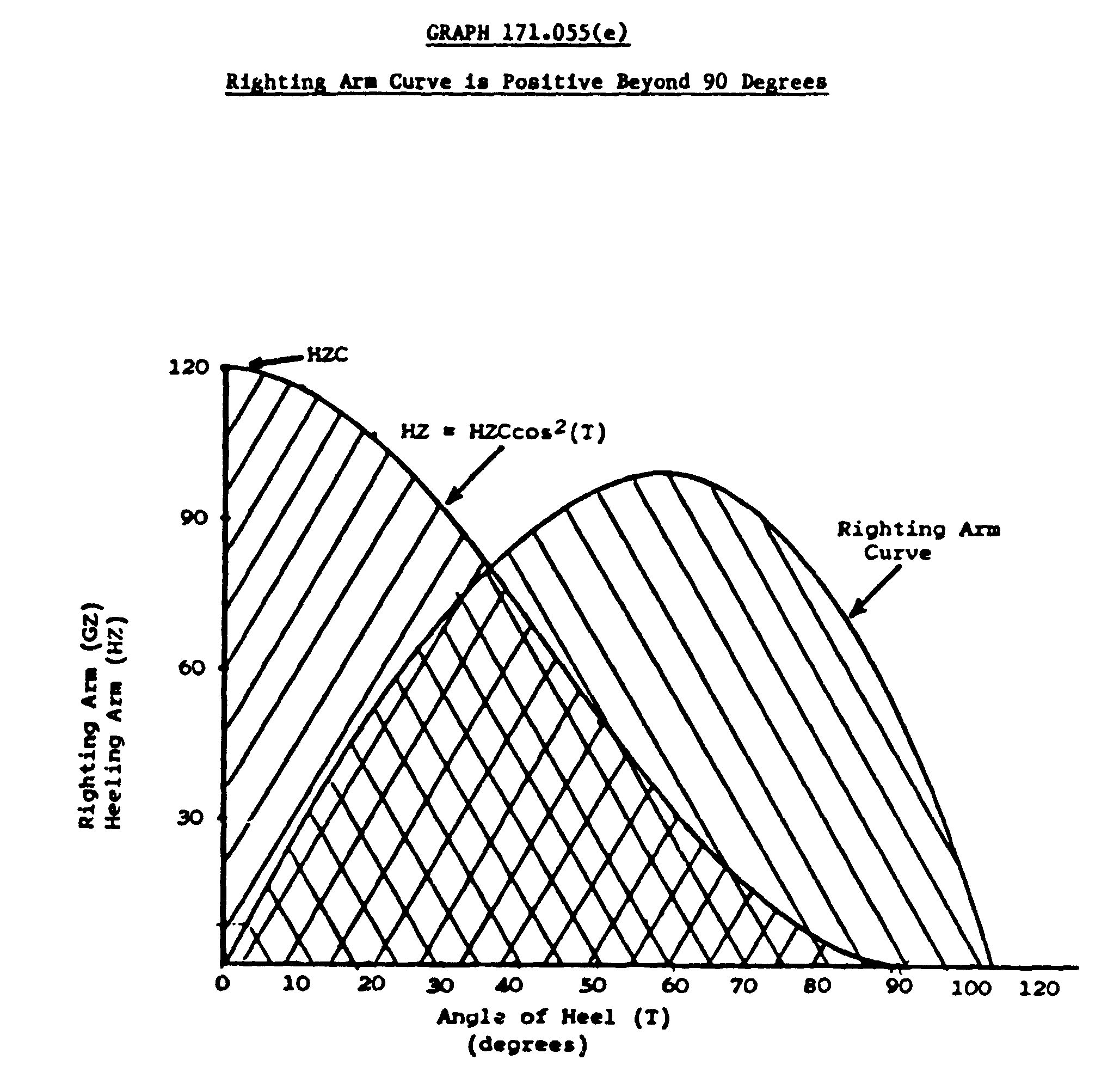
(1) Plot the righting arm curve on Graphs 171.055 (b), (c), and (d) or (e).
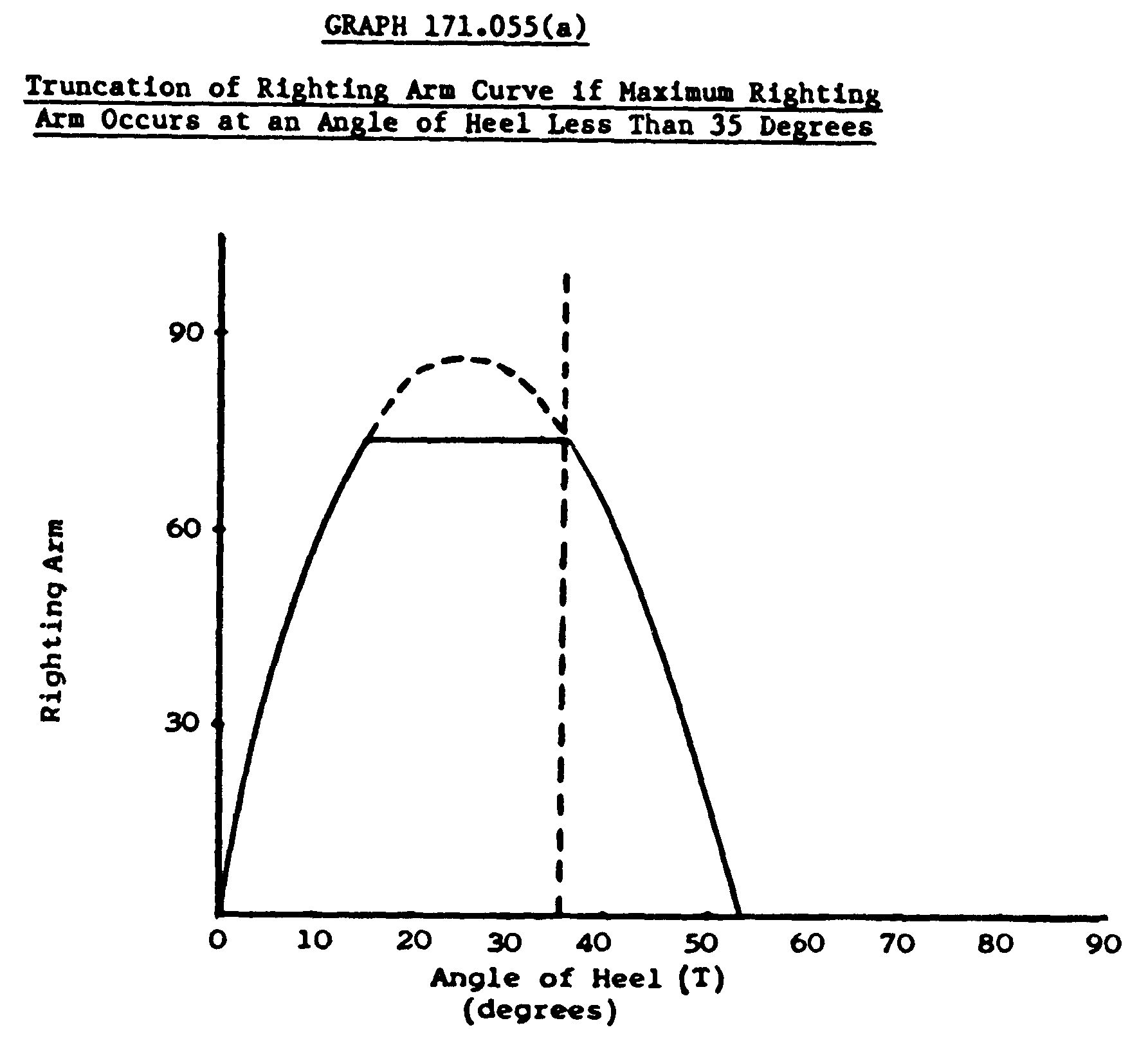
(2) If the angle at which the maximum righting arm occurs is less than 35 degrees, the righting arm curve must be truncated as shown on Graph 171.055(a).
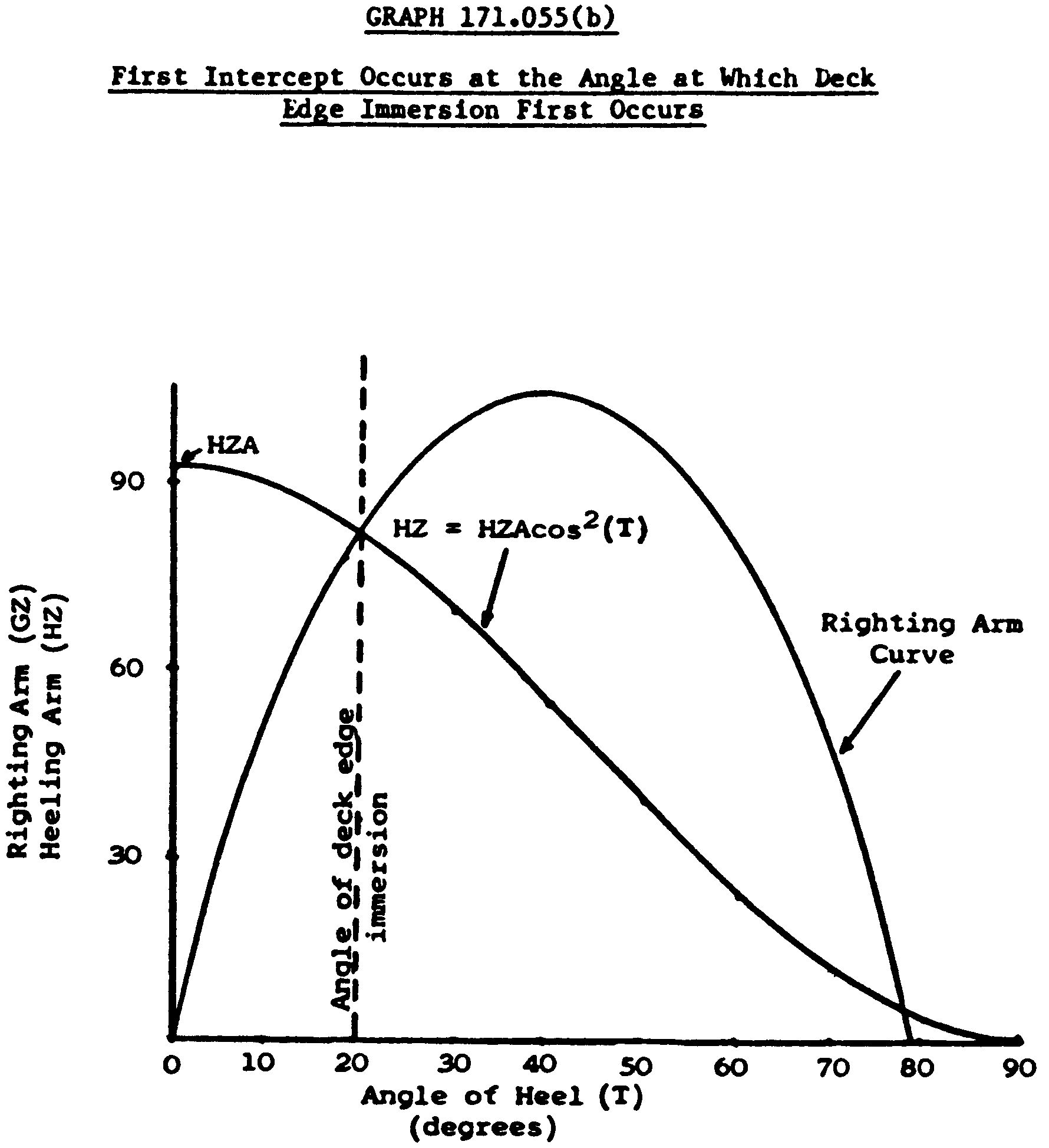
(3) Plot an assumed heeling arm curve on Graph 171.055(b) that satisfies the following conditions:
(i) The assumed heeling arm curve must be defined by the equation—
where—
HZ=heeling arm.
HZA=heeling arm at 0 degrees of heel.
T=Angle of heel.
(ii) The first intercept shown on Graph 171.055(b) must occur at the angle of heel corresponding to the angle at which deck edge immersion first occurs.
(4) Plot an assumed heeling arm curve on Graph 171.055(c) that satisfies the following conditions:
(i) The assumed heeling arm curve must be defined by the equation—
where—
HZ=heeling arm.
HZB=heeling arm at 0 degrees of heel.
T=Angle of heel.
(ii) The area under the assumed heeling arm curve between 0 degrees and the downflooding angle or 60 degrees, whichever is less, must be equal to the area under the righting arm curve between the same limiting angles.
(5) Plot an assumed heeling arm curve on Graph 171.055(d) or (e) that satisfies the following conditions:
(i) The assumed heeling arm curve must be defined by—
Where—
HZ=heeling arm.
HZC=heeling arm at 0 degrees of heel.
T=Angle of heel.
(ii) The area under the assumed heeling arm curve between the angles of 0 and 90 degrees must be equal to the area under the righting arm curve between 0 degrees and—
(A) 90 degrees if the righting arms are positive to an angle less than or equal to 90 degrees; or
(B) The largest angle corresponding to a positive righting arm but no more than 120 degrees if the righting arms are positive to an angle greater than 90 degrees.
(6) The values of HZA, HZB, and HZC are read directly from Graphs 171.055(b), (c), and (d) or (e).
(f) For the purpose of this section, the downflooding angle means the static angle from the intersection of the vessel's centerline and waterline in calm water to the first opening that cannot be rapidly closed watertight.
(g) HZB and, if the righting arms are positive to an angle of 90 degrees or greater, HZC may be computed from the following equation:
where—
I=the area under the righting arm curve to—
(1) the downflooding angle or 60 degrees, whichever is less, when computing HZB; or
(2) the largest angle corresponding to a positive righting arm or 90 degrees, whichever is greater, but no greater than 120 degrees when computing HZC.
T=the downflooding angle or 60 degrees, whichever is less, when computing HZB or 90 degrees when computing HZC.

Cite this article: FindLaw.com - Code of Federal Regulations Title 46. Shipping § 46.171.055 Intact stability requirements for a monohull sailing vessel or a monohull auxiliary sailing vessel - last updated January 02, 2025 | https://codes.findlaw.com/cfr/title-46-shipping/cfr-sect-46-171-055/
FindLaw Codes may not reflect the most recent version of the law in your jurisdiction. Please verify the status of the code you are researching with the state legislature before relying on it for your legal needs.
Make It a Preferred Google Search Source
Get help with your legal needs
FindLaw’s Learn About the Law features thousands of informational articles to help you understand your options. And if you’re ready to hire an attorney, find one in your area who can help.
