
Learn About The Law
Get help with your legal needs
FindLaw’s Learn About the Law features thousands of informational articles to help you understand your options. And if you’re ready to hire an attorney, find one in your area who can help.
Current as of January 02, 2025 | Updated by Findlaw Staff
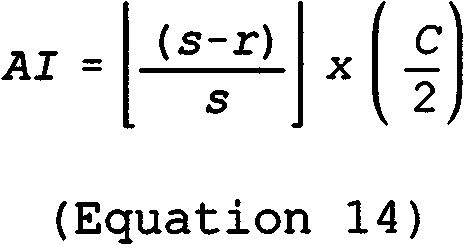
(a) This formula results in a premium or discount to the issuer depending on whether the current Treasury borrowing rate at the time of early redemption is lower or higher than the stated interest rate of the early-redeemed SLGS security. The total redemption value for bonds and notes can be determined by the following two steps. First, calculate accrued interest payable in accordance with § 344.6(d)(1) using the following formula:
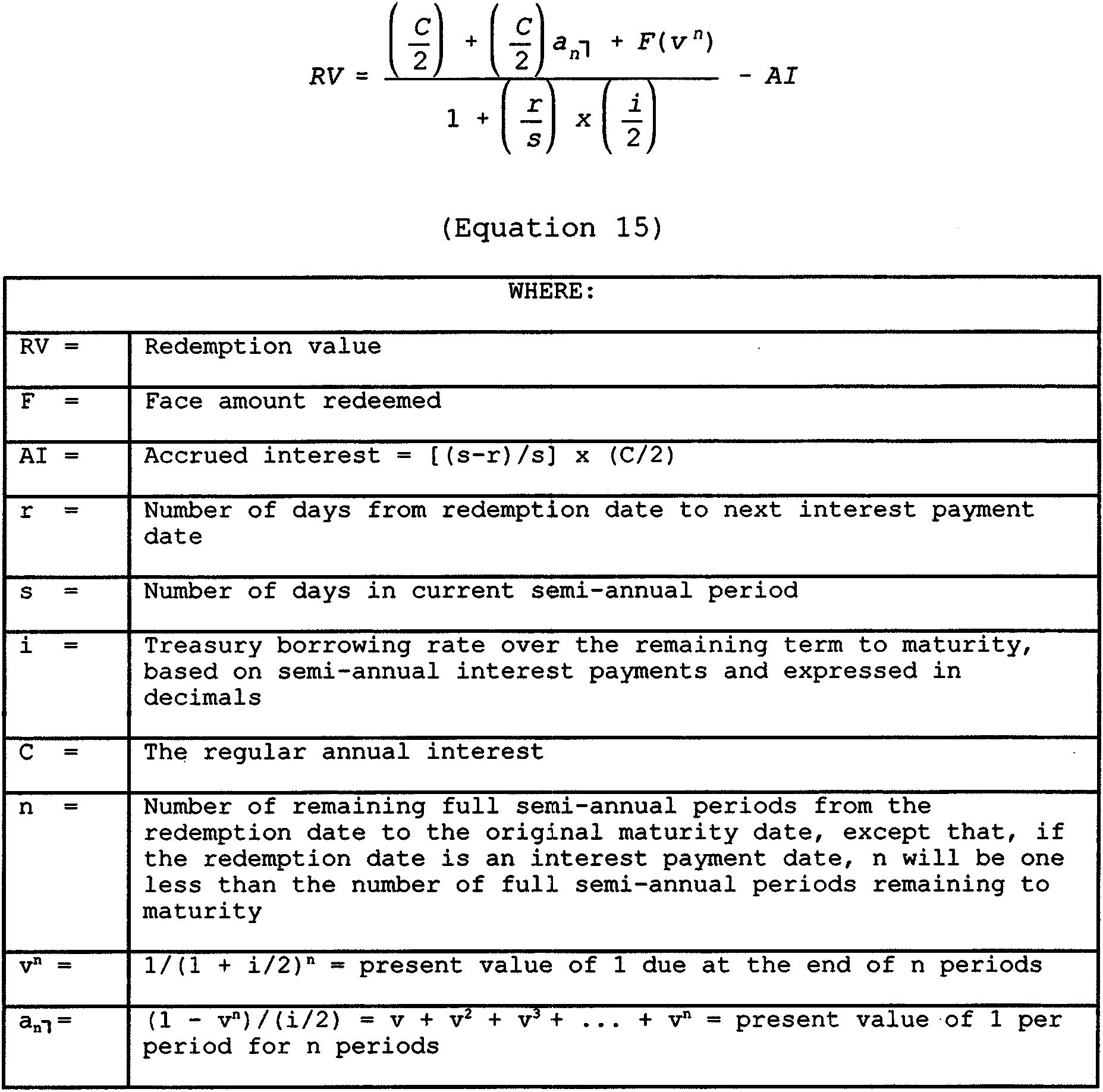
Second, calculate the redemption value per § 344.6(d)(2) using the following formula:
(b) The application of this formula can be illustrated by the following examples:
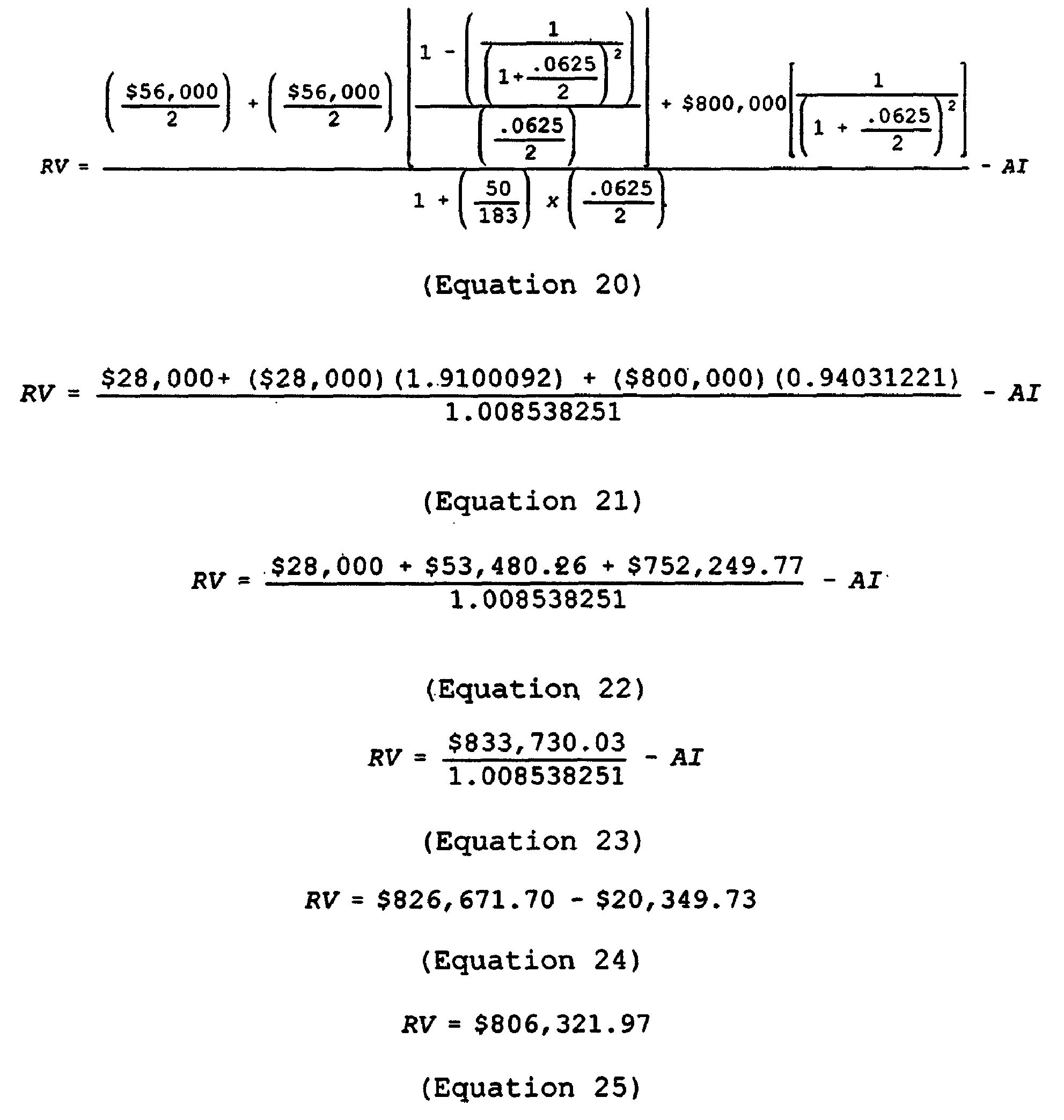
(1) The first example is for a redemption at a premium.
(i) Assume that an $800,000 2–year note is issued on December 10, 1996, to mature on December 10, 1998. Interest is payable at a rate of 7% on June 10 and December 10.
(ii) Assume that the note is redeemed on October 21, 1997, and that the current borrowing rate for Treasury at that time for the remaining period of 1 year and 50 days is 6.25%.
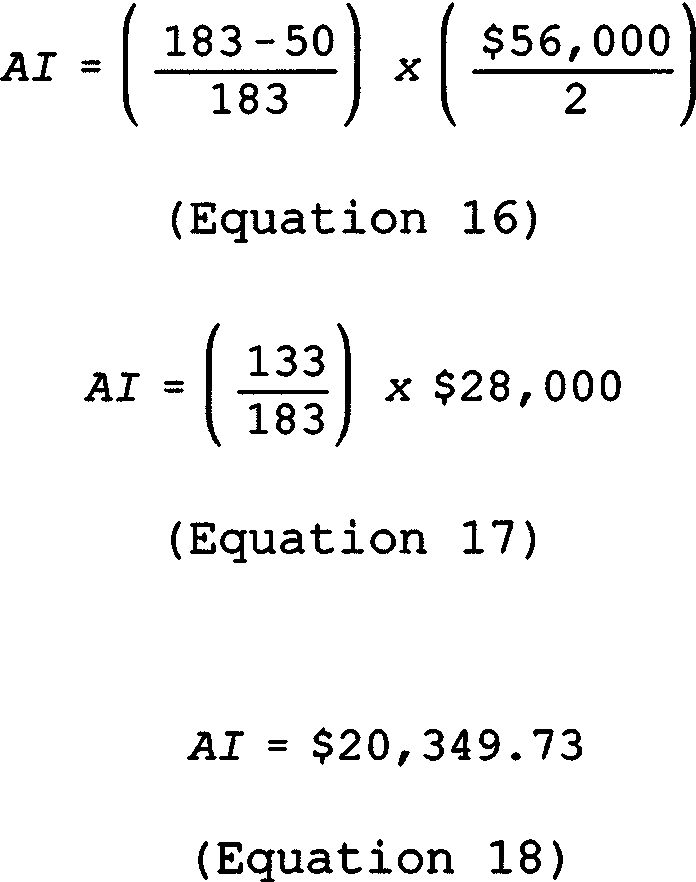
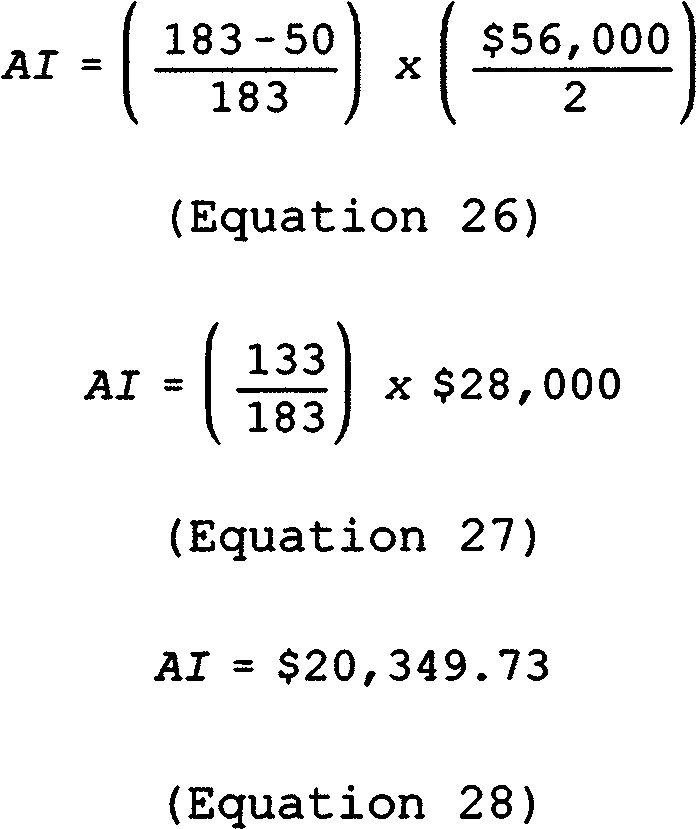
(iii) The redemption value is computed as follows. First, the accrued interest payable is calculated as:
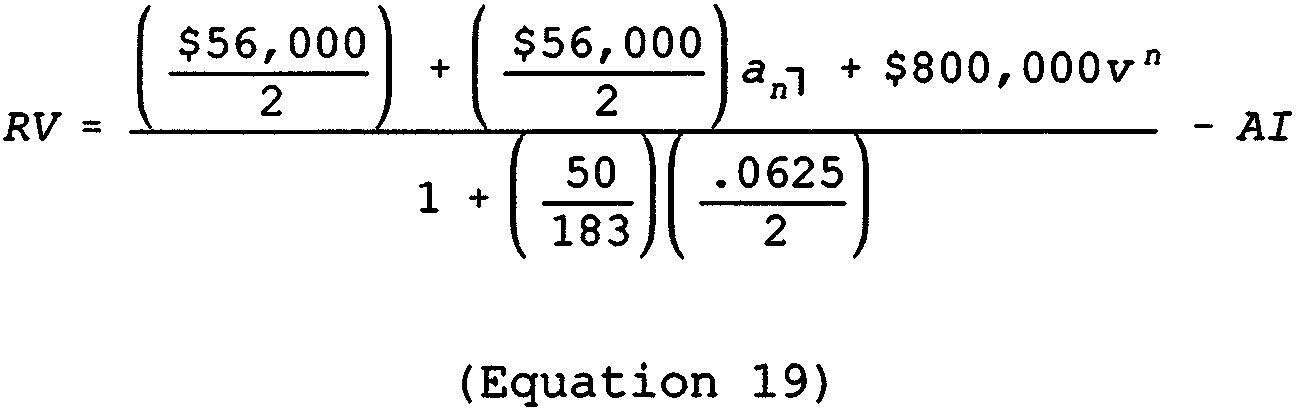
Then, the redemption value is calculated as:
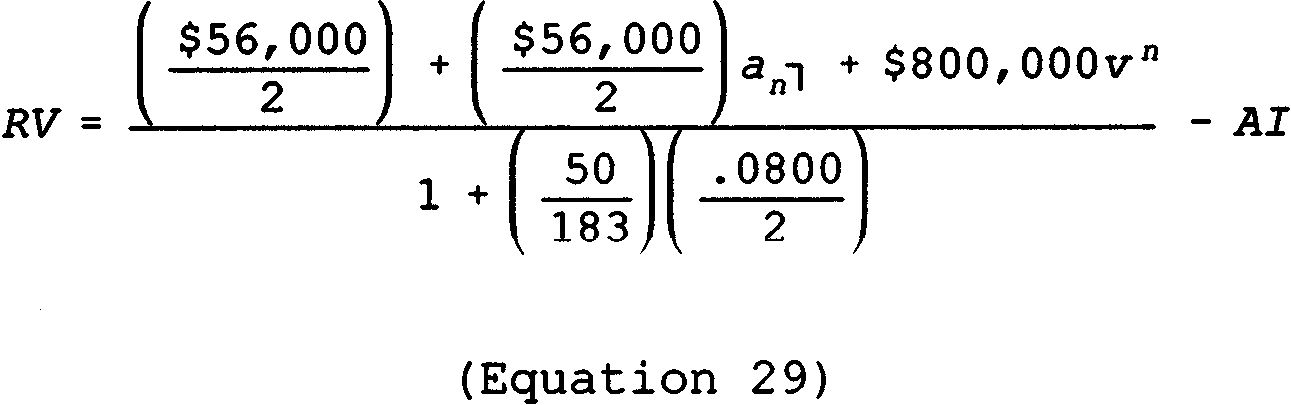
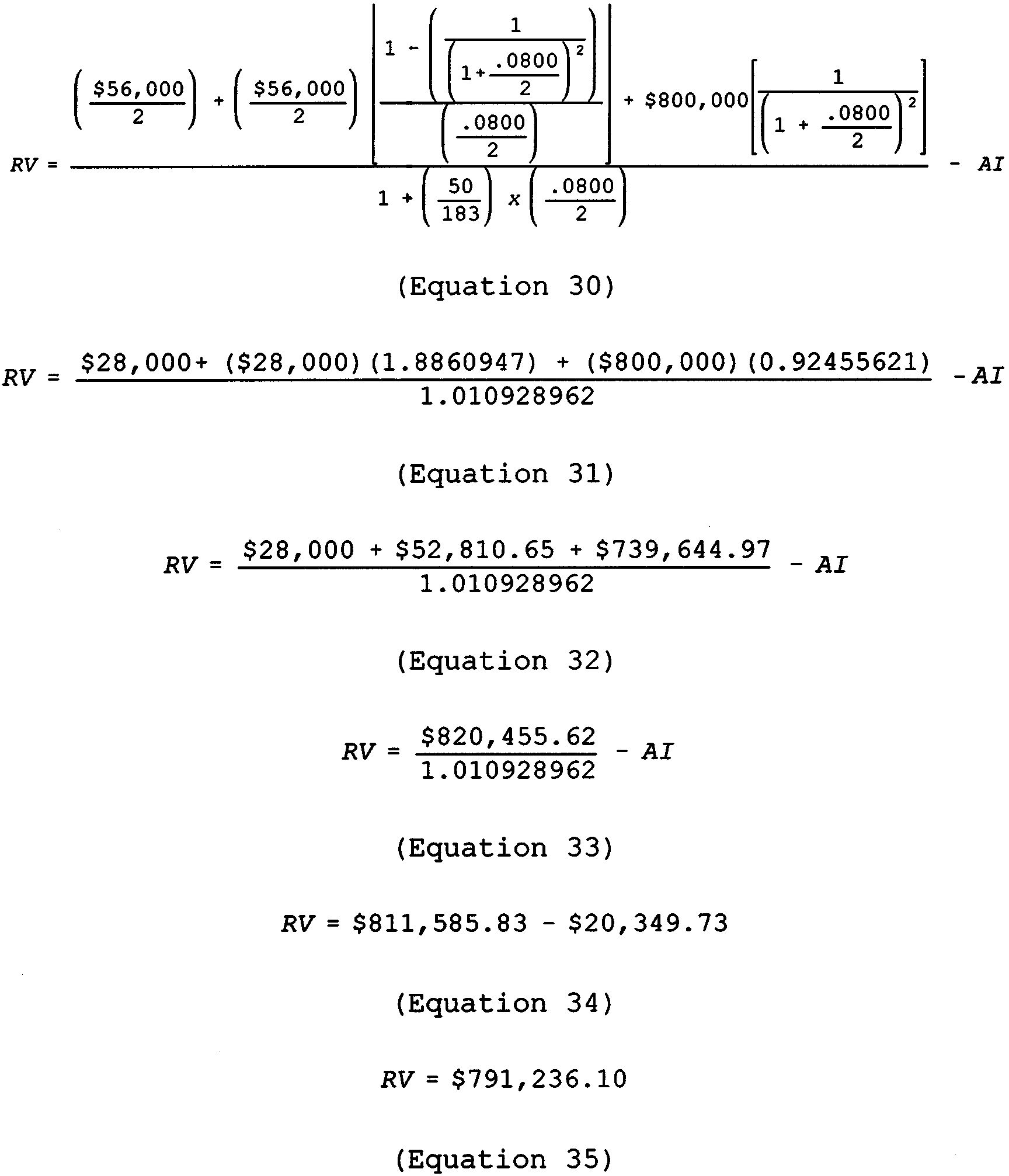
(2) The second example is for a redemption at a discount and it uses the same assumptions as the first example, except the current Treasury borrowing cost is assumed to be 8.00%:
(i) Assume that an $800,000 2–year note is issued on December 10, 1996, to mature on December 10, 1998. Interest is payable at a rate of 7% on June 10 and December 10.
(ii) Assume that the note is redeemed on October 21, 1997, and that the current borrowing rate for Treasury at that time for the remaining period of 1 year and 50 days is 8.00%.
(iii) The redemption value is computed as follows.
First, the accrued interest payable is calculated as:
Then, the redemption value is calculated as:
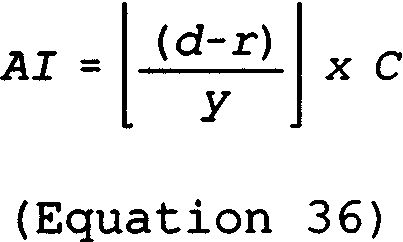
(c) The total redemption value for certificates of indebtedness can be determined by the following two steps. First, calculate accrued interest payable in accordance with § 344.6(d)(1) using the following formula:
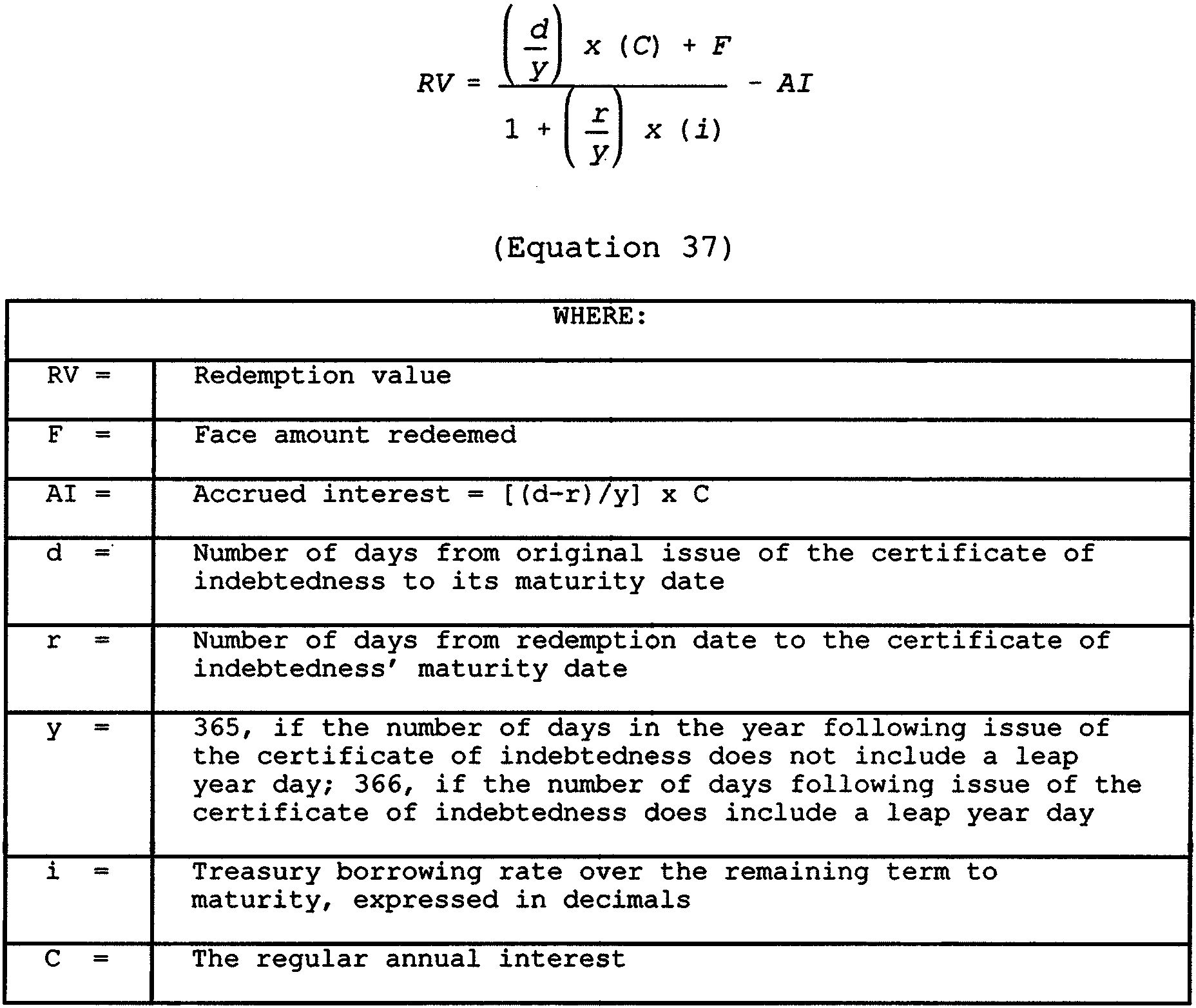
Second, calculate the redemption value per § 344.6(d)(2) using the following equation:
(d) The application of this formula can be illustrated by the following examples.
(1) First, for a redemption at a premium:
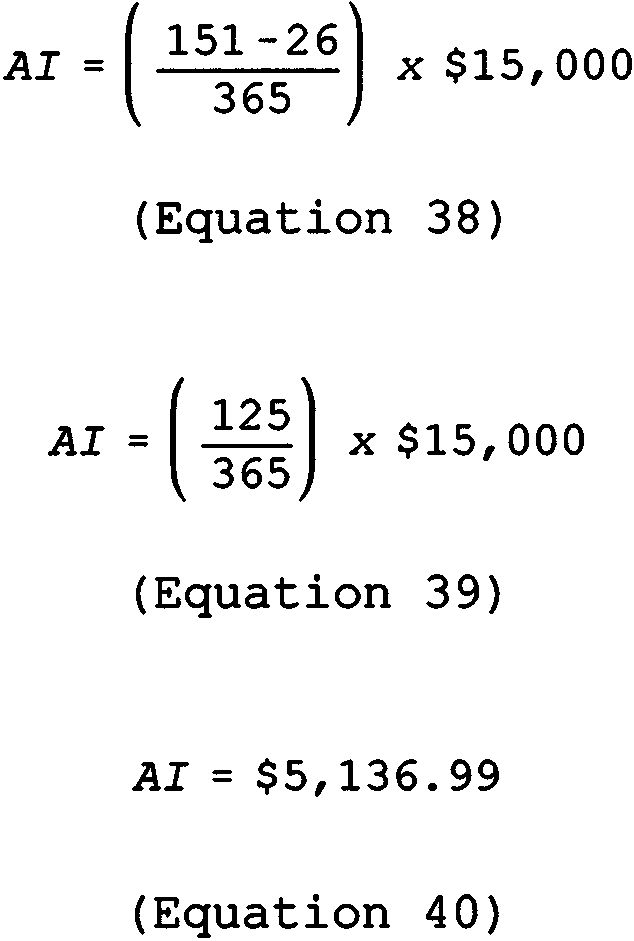
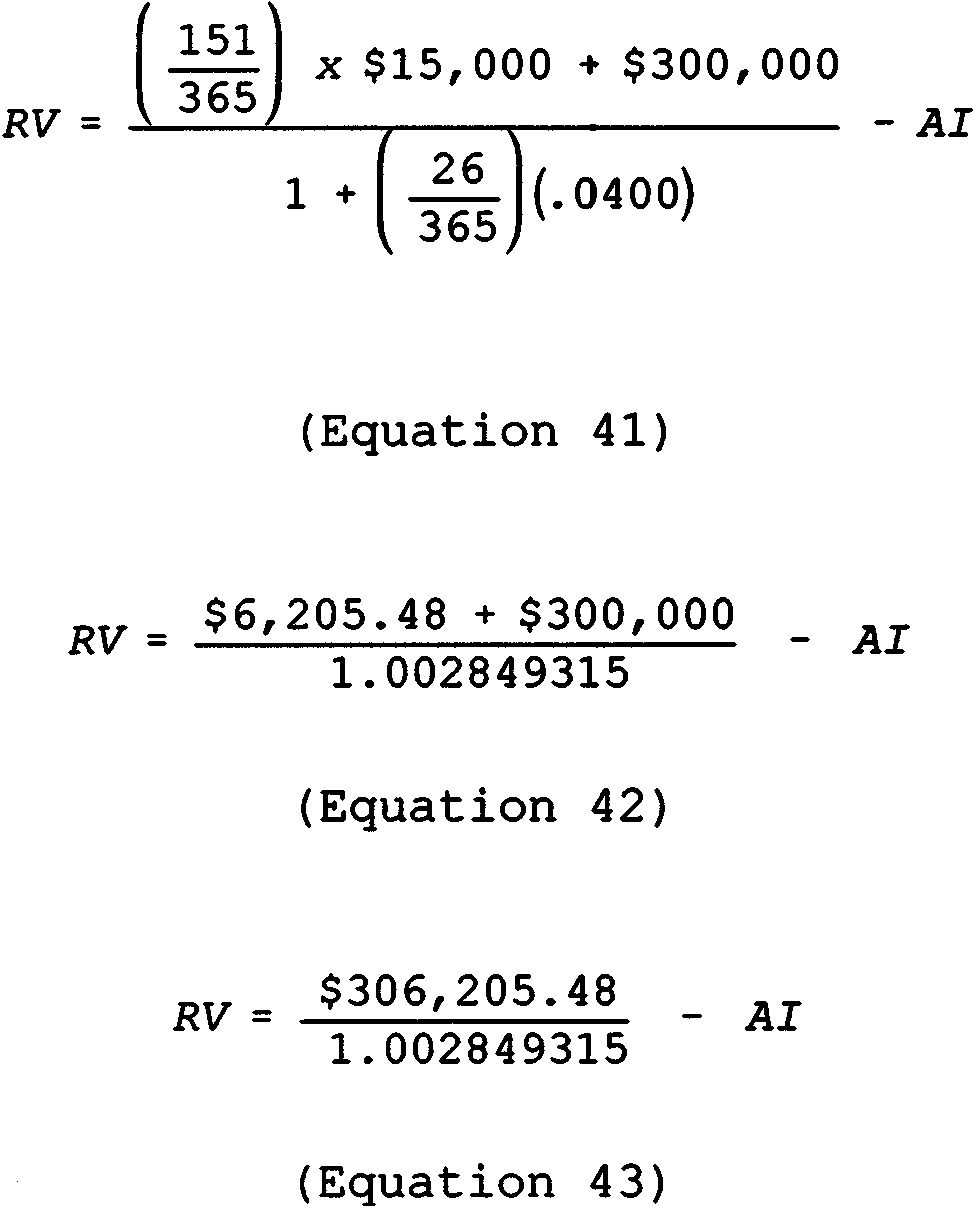
(i) Assume that a $300,000 security is issued on December 5, 1996, to mature in 151 days on May 5, 1997. Interest at a rate of 5% is payable at maturity.
(ii) Assume that the security is redeemed on April 9, 1997, and that the current borrowing rate for Treasury at that time for the remaining period of 26 days is 4.00%.
(iii) The redemption value is computed as follows.
First, the accrued interest payable is calculated as:
Then, the redemption value is calculated as:
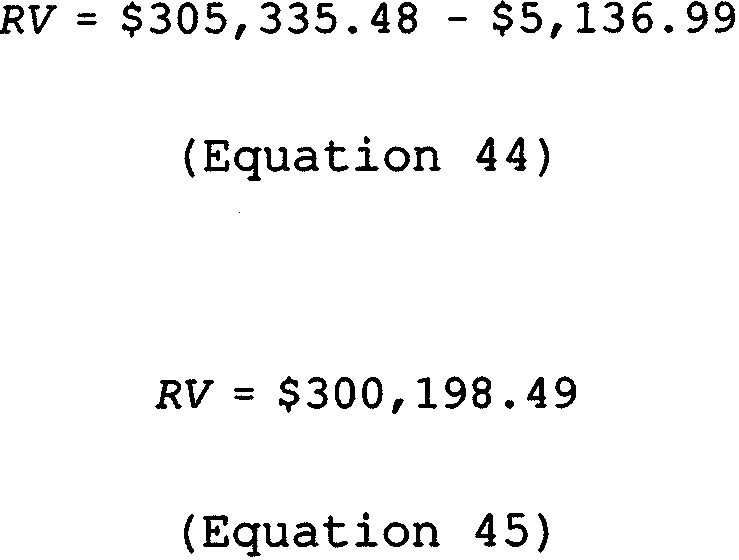
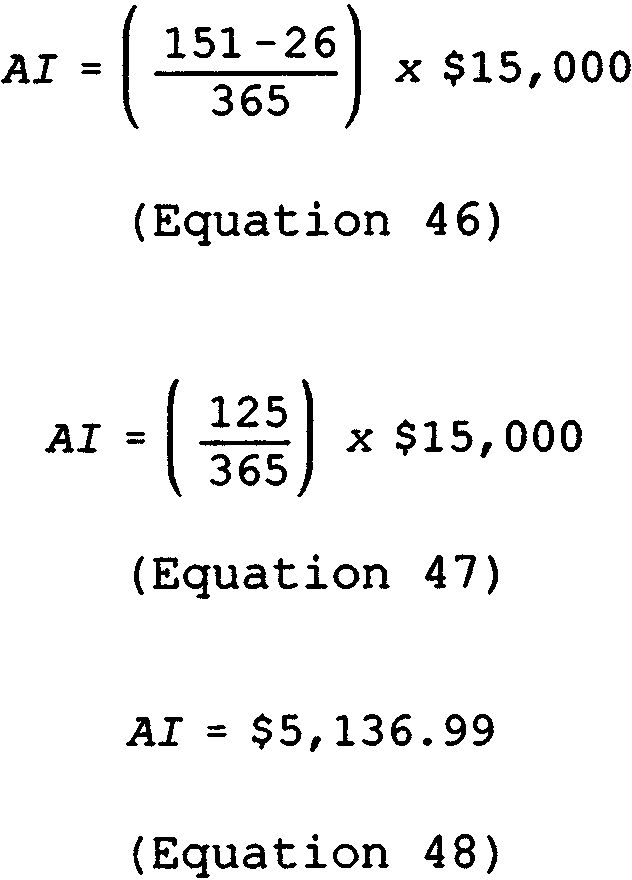
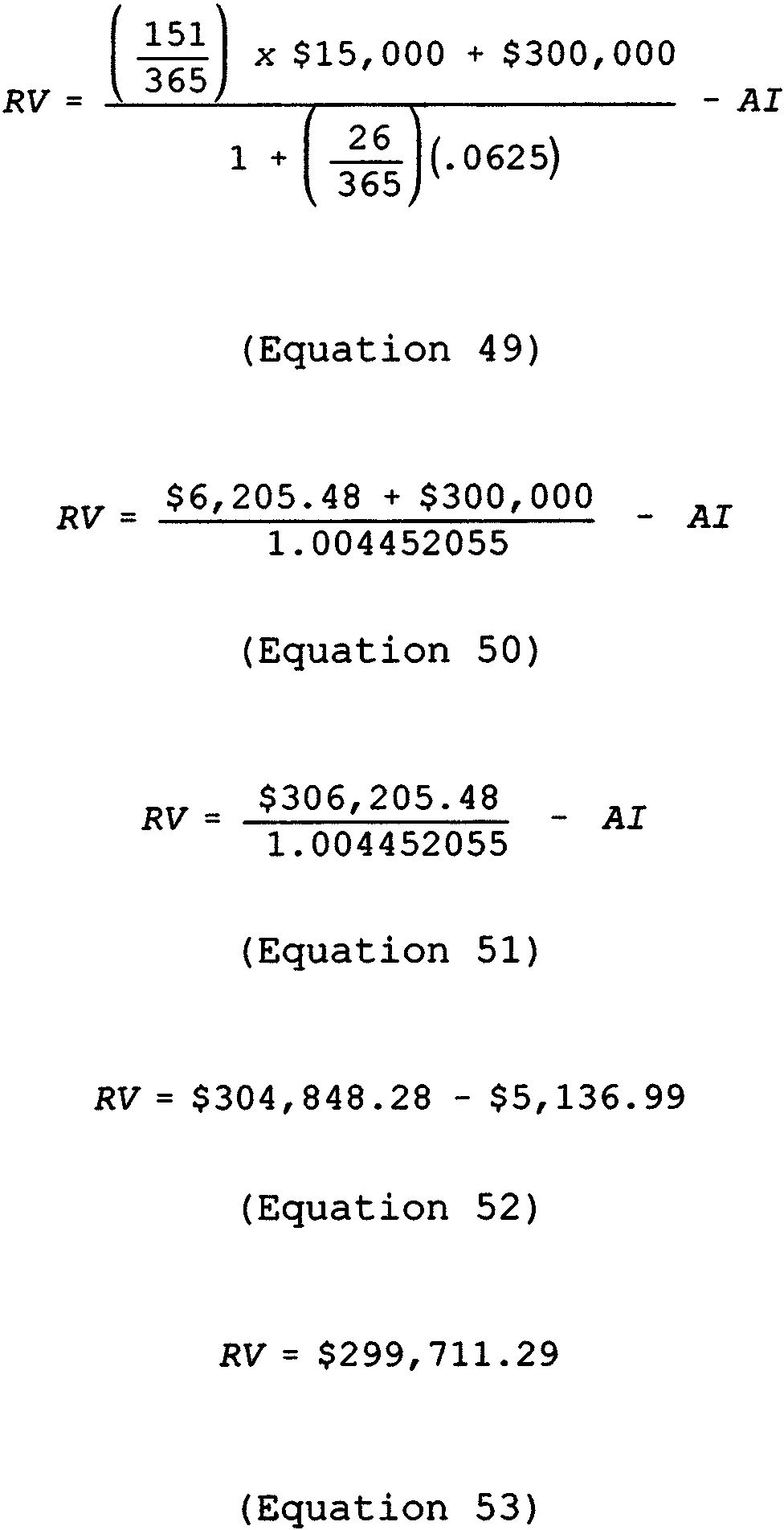
(2) Secondly, for a redemption at a discount:
(i) Assume that a $300,000 security is issued on December 5, 1996, to mature in 151 days on May 5, 1997. Interest at a rate of 5% is payable at maturity.
(ii) Assume that the security is redeemed on April 9, 1997, and that the current borrowing rate for Treasury at that time for the remaining period of 26 days is 6.25%.
(iii) The redemption value is computed as follows.
First, the accrued interest payable is calculated as:
Then, the redemption value is calculated as:
Cite this article: FindLaw.com - Code of Federal Regulations Title 31. Money and Finance–Treasury 31 CFR Pt. 344, App. B—Formula for Determining Redemption Value for Securities Subscribed for and Early–Redeemed On or After October 28, 1996 - last updated January 02, 2025 | https://codes.findlaw.com/cfr/title-31-money-and-finance-treasury/cfr-pt-31-344-app-b/
FindLaw Codes may not reflect the most recent version of the law in your jurisdiction. Please verify the status of the code you are researching with the state legislature before relying on it for your legal needs.
Get help with your legal needs
FindLaw’s Learn About the Law features thousands of informational articles to help you understand your options. And if you’re ready to hire an attorney, find one in your area who can help.
