
Learn About The Law
Get help with your legal needs
FindLaw’s Learn About the Law features thousands of informational articles to help you understand your options. And if you’re ready to hire an attorney, find one in your area who can help.
Current as of January 02, 2025 | Updated by Findlaw Staff
(a) Scope and application. This appendix contains specifications for sloping and benching when used as methods of protecting employees working in excavations from cave-ins. The requirements of this appendix apply when the design of sloping and benching protective systems is to be performed in accordance with the requirements set forth in § 1926.652(b)(2).
(b) Definitions.
Actual slope means the slope to which an excavation face is excavated.
Distress means that the soil is in a condition where a cave-in is imminent or is likely to occur. Distress is evidenced by such phenomena as the development of fissures in the face of or adjacent to an open excavation; the subsidence of the edge of an excavation; the slumping of material from the face or the bulging or heaving of material from the bottom of an excavation; the spalling of material from the face of an excavation; and ravelling, i.e., small amounts of material such as pebbles or little clumps of material suddenly separating from the face of an excavation and trickling or rolling down into the excavation.
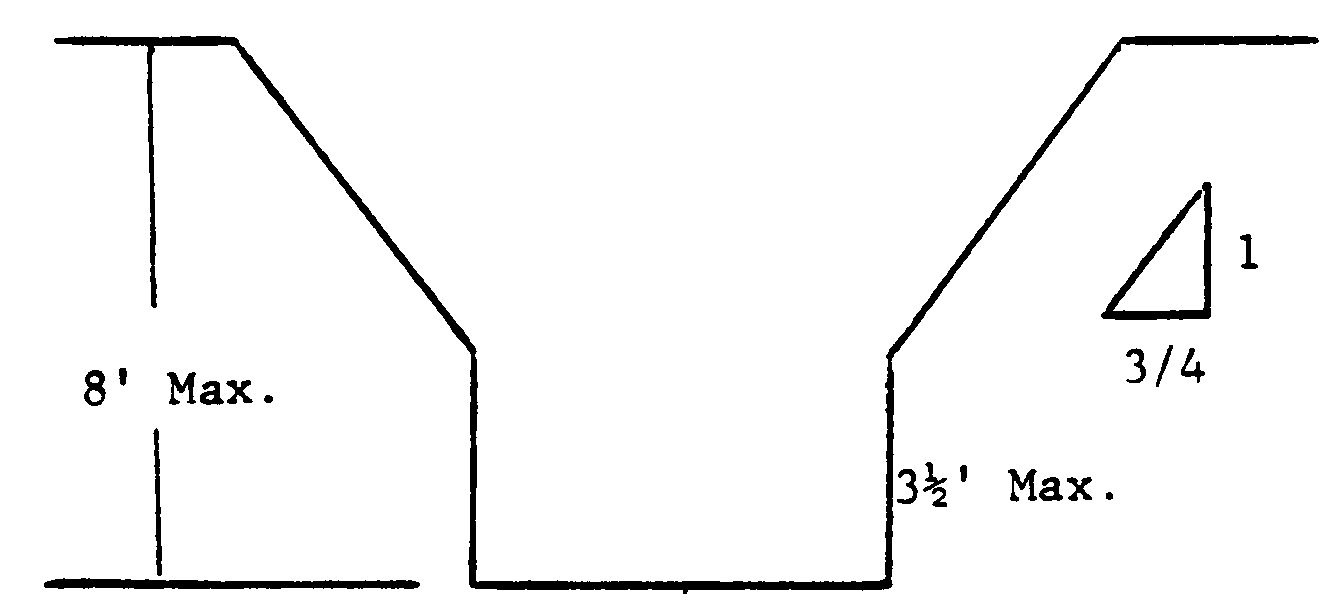
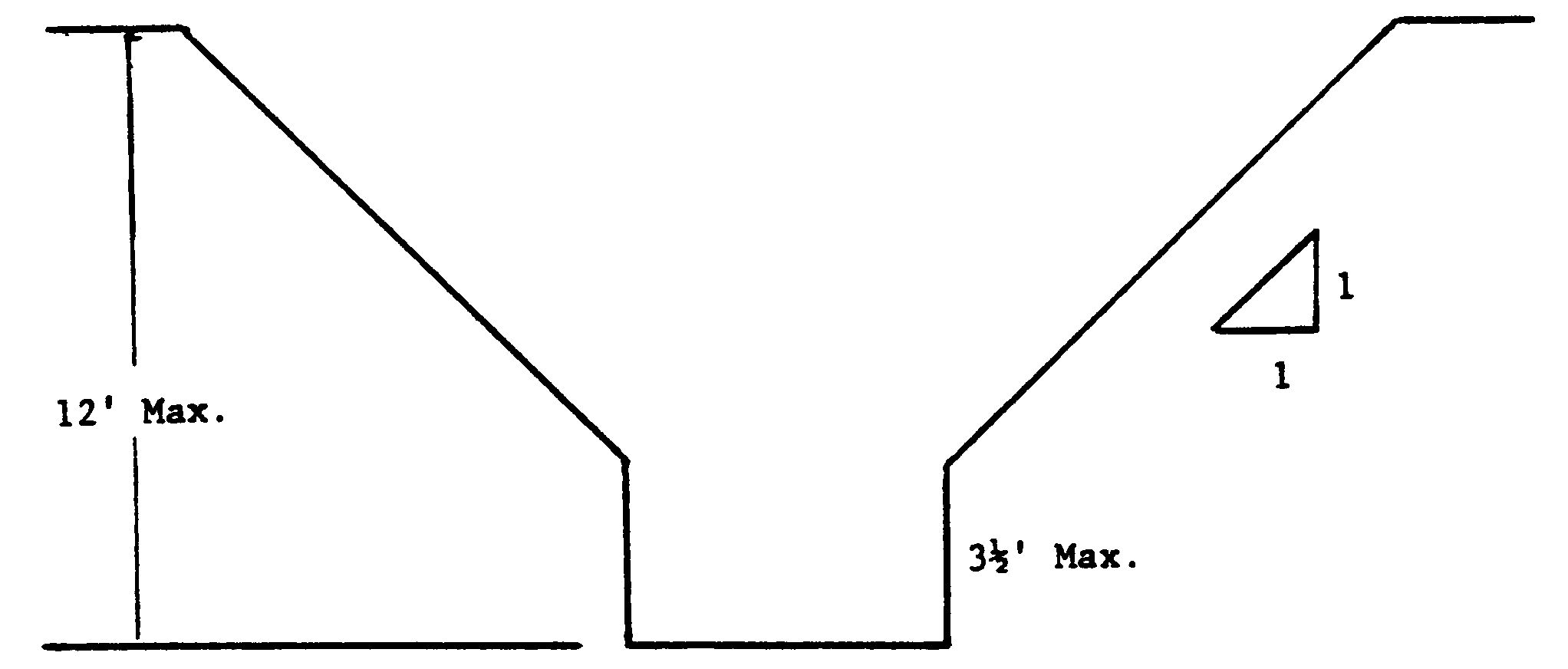
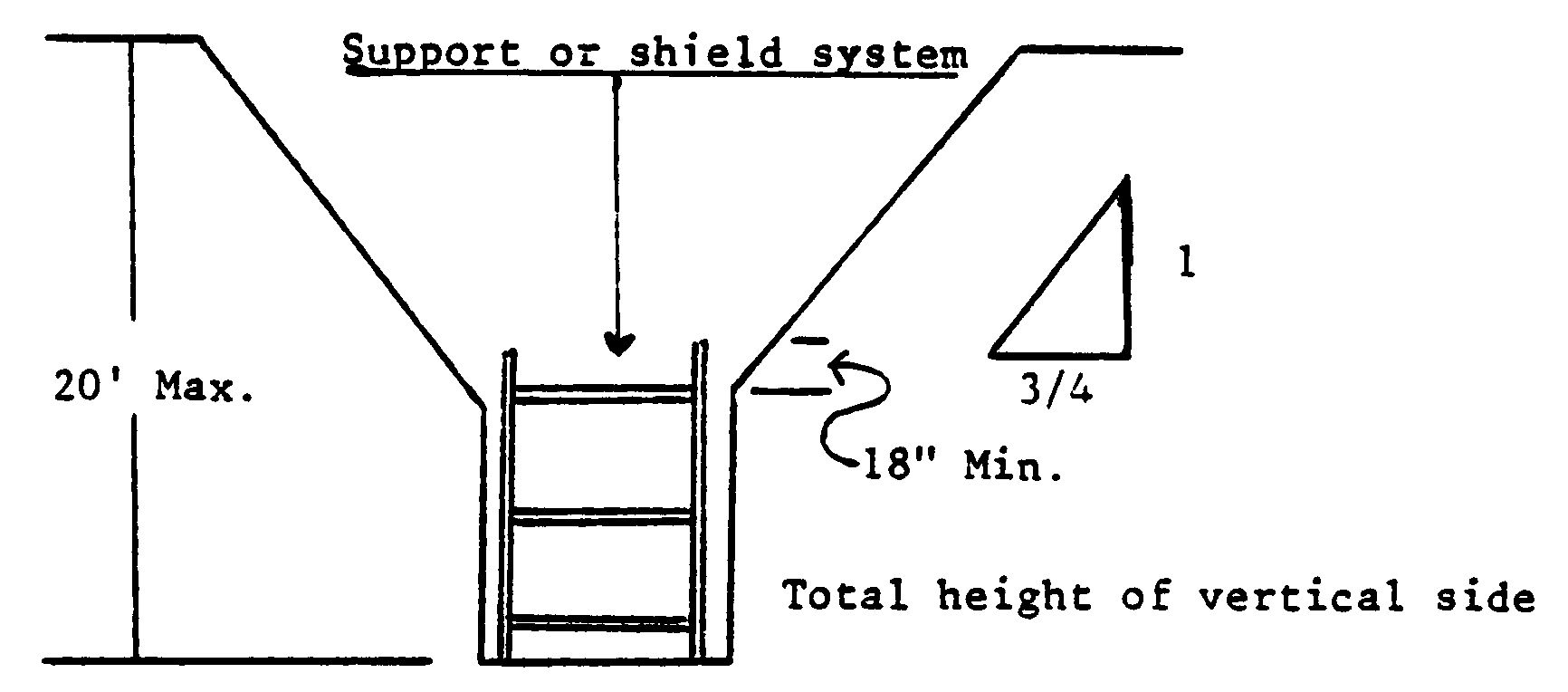
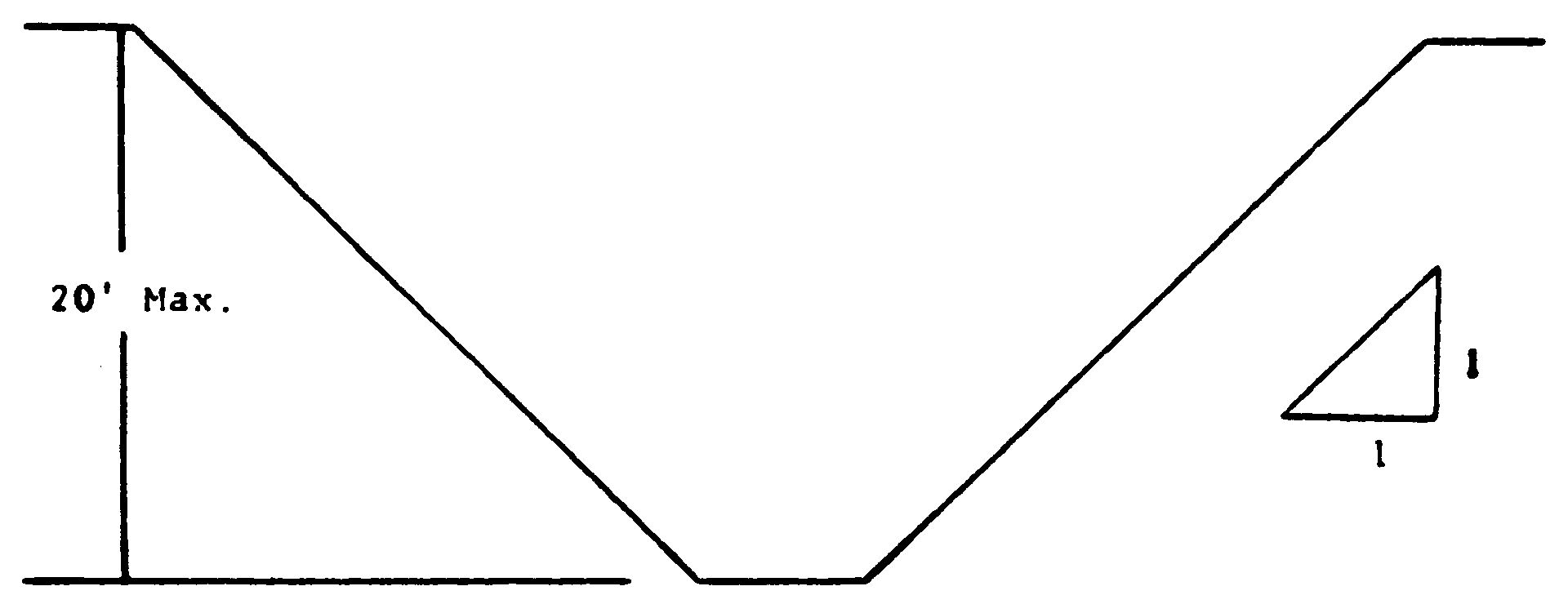
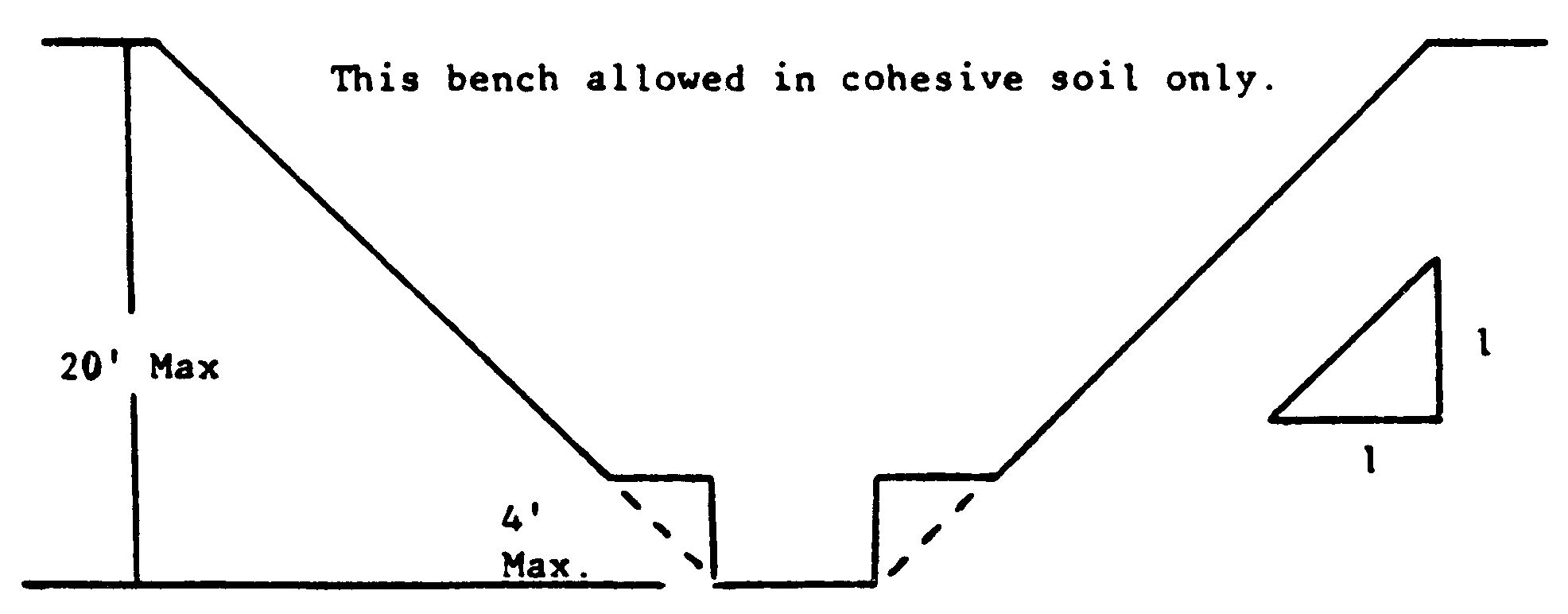
Maximum allowable slope means the steepest incline of an excavation face that is acceptable for the most favorable site conditions as protection against cave-ins, and is expressed as the ratio of horizontal distance to vertical rise (H:V).
Short term exposure means a period of time less than or equal to 24 hours that an excavation is open.
(c) Requirements—(1) Soil classification. Soil and rock deposits shall be classified in accordance with appendix A to subpart P of part 1926.
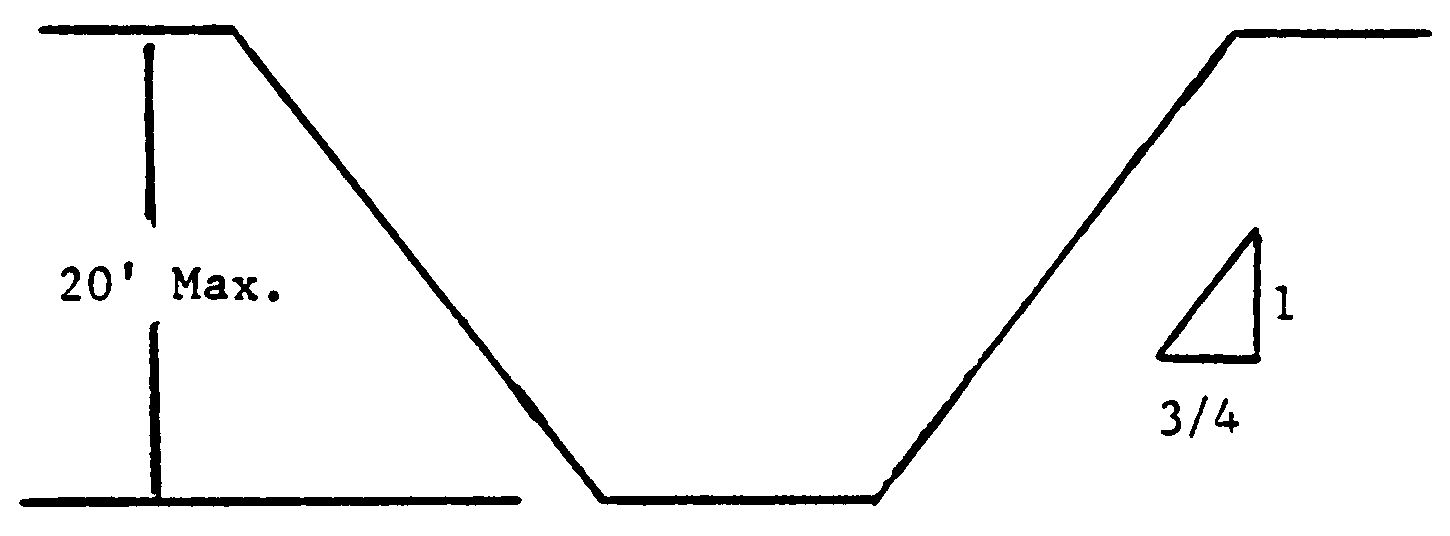
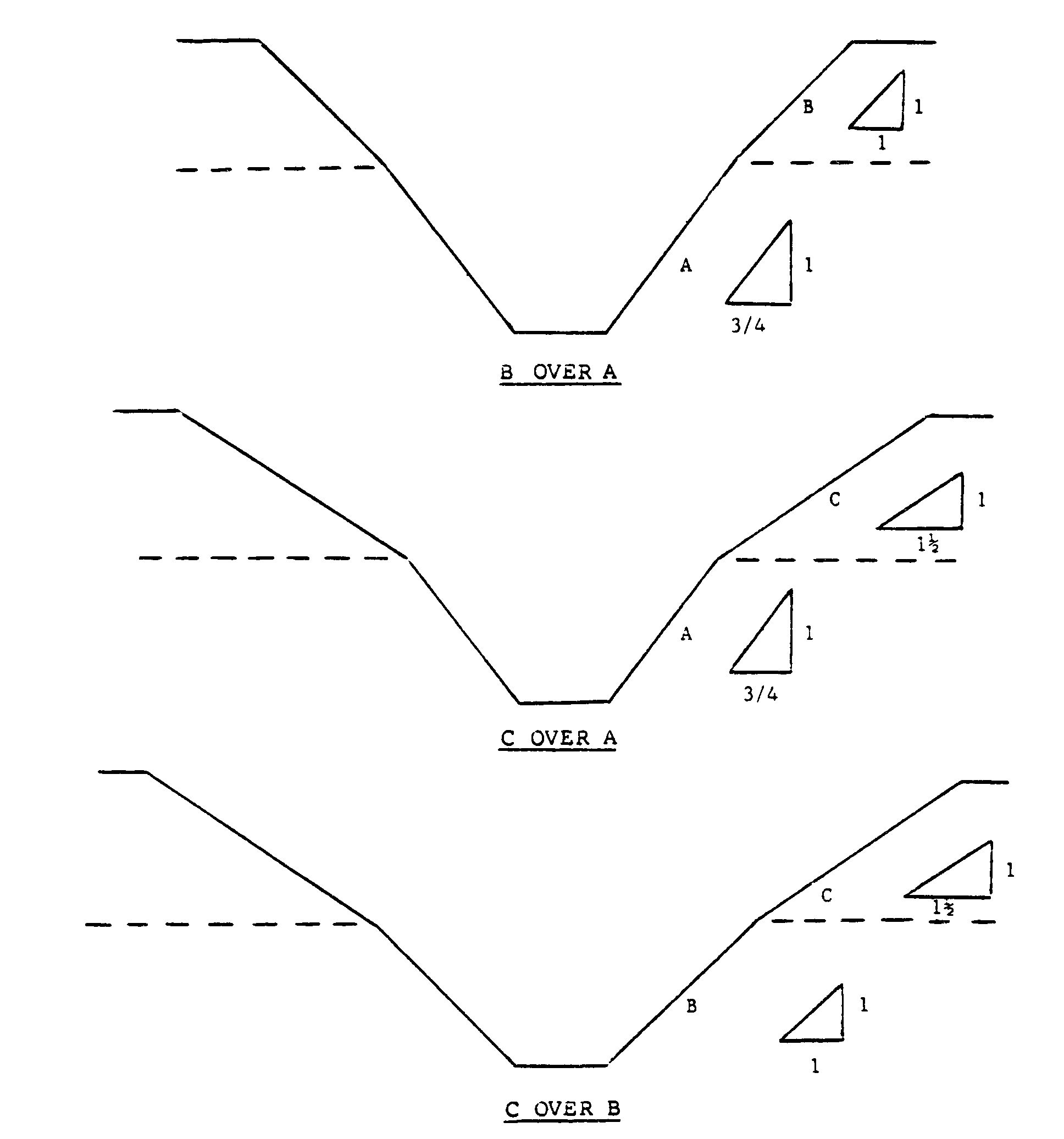
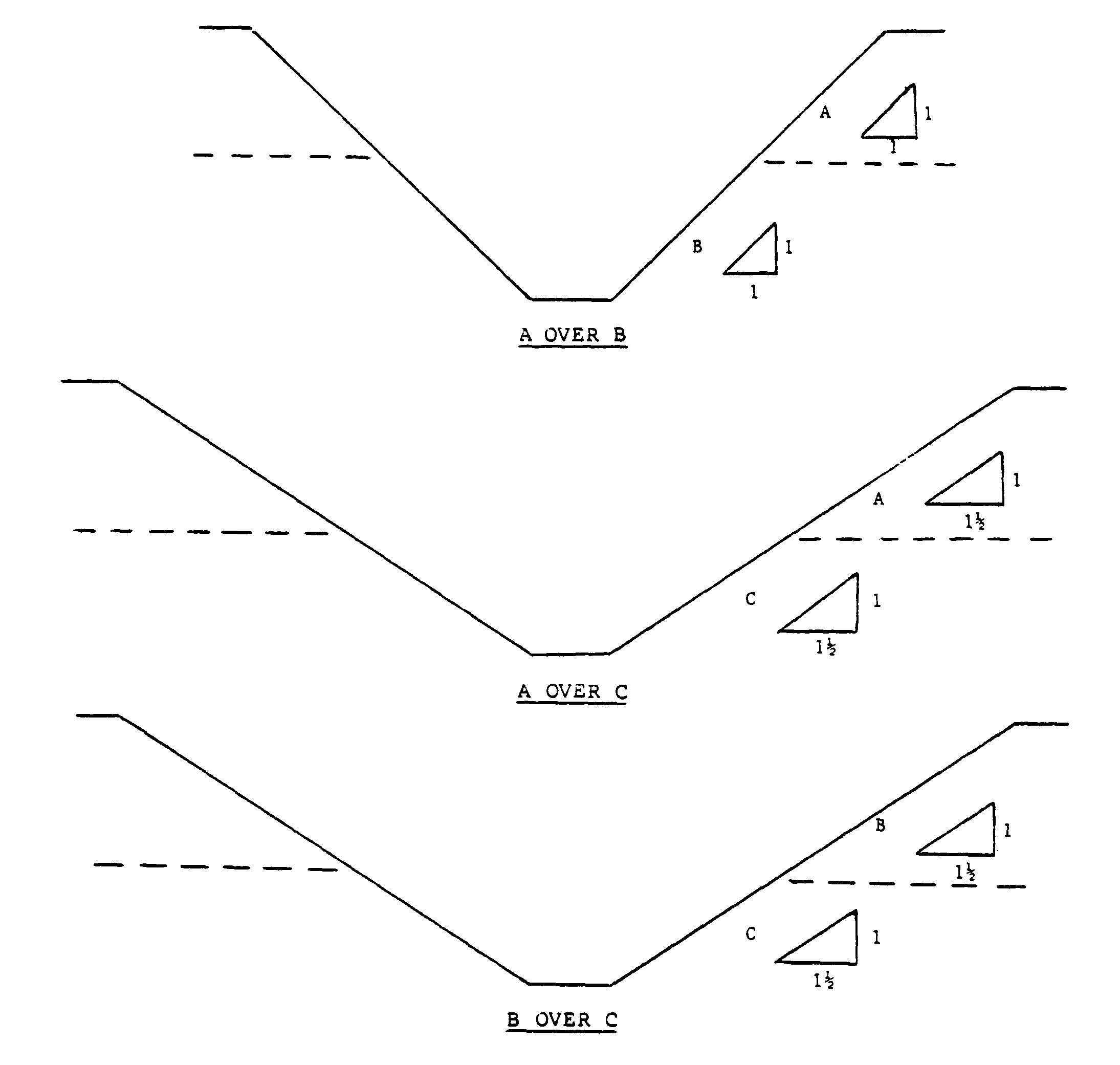
(2) Maximum allowable slope. The maximum allowable slope for a soil or rock deposit shall be determined from Table B–1 of this appendix.
(3) Actual slope. (i) The actual slope shall not be steeper than the maximum allowable slope.
(ii) The actual slope shall be less steep than the maximum allowable slope, when there are signs of distress. If that situation occurs, the slope shall be cut back to an actual slope which is at least 1/2 horizontal to one vertical ( 1/2 H:1V) less steep than the maximum allowable slope.
(iii) When surcharge loads from stored material or equipment, operating equipment, or traffic are present, a competent person shall determine the degree to which the actual slope must be reduced below the maximum allowable slope, and shall assure that such reduction is achieved. Surcharge loads from adjacent structures shall be evaluated in accordance with § 1926.651(i).
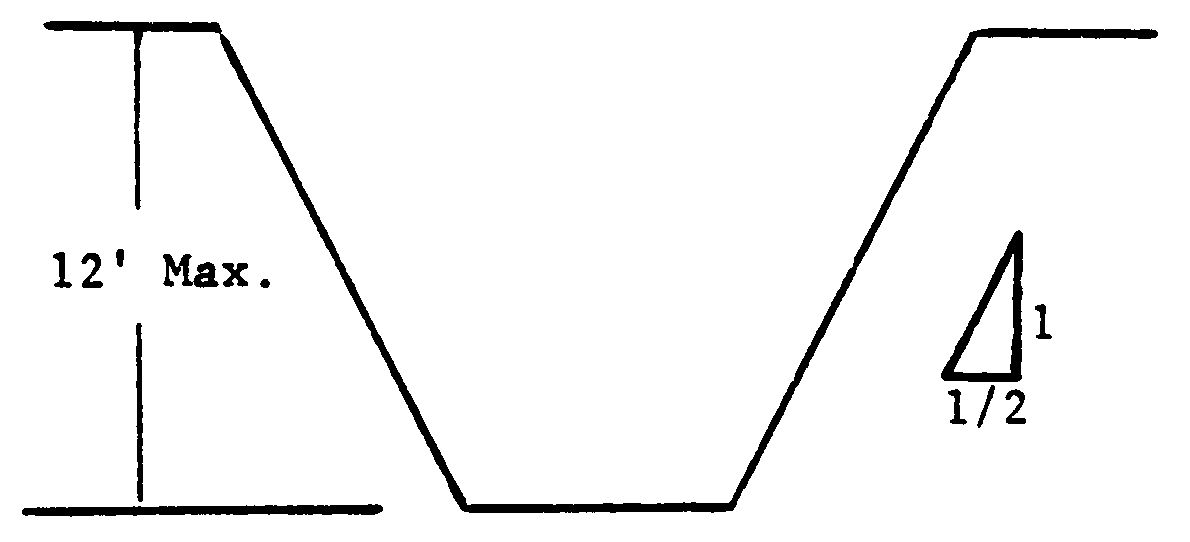
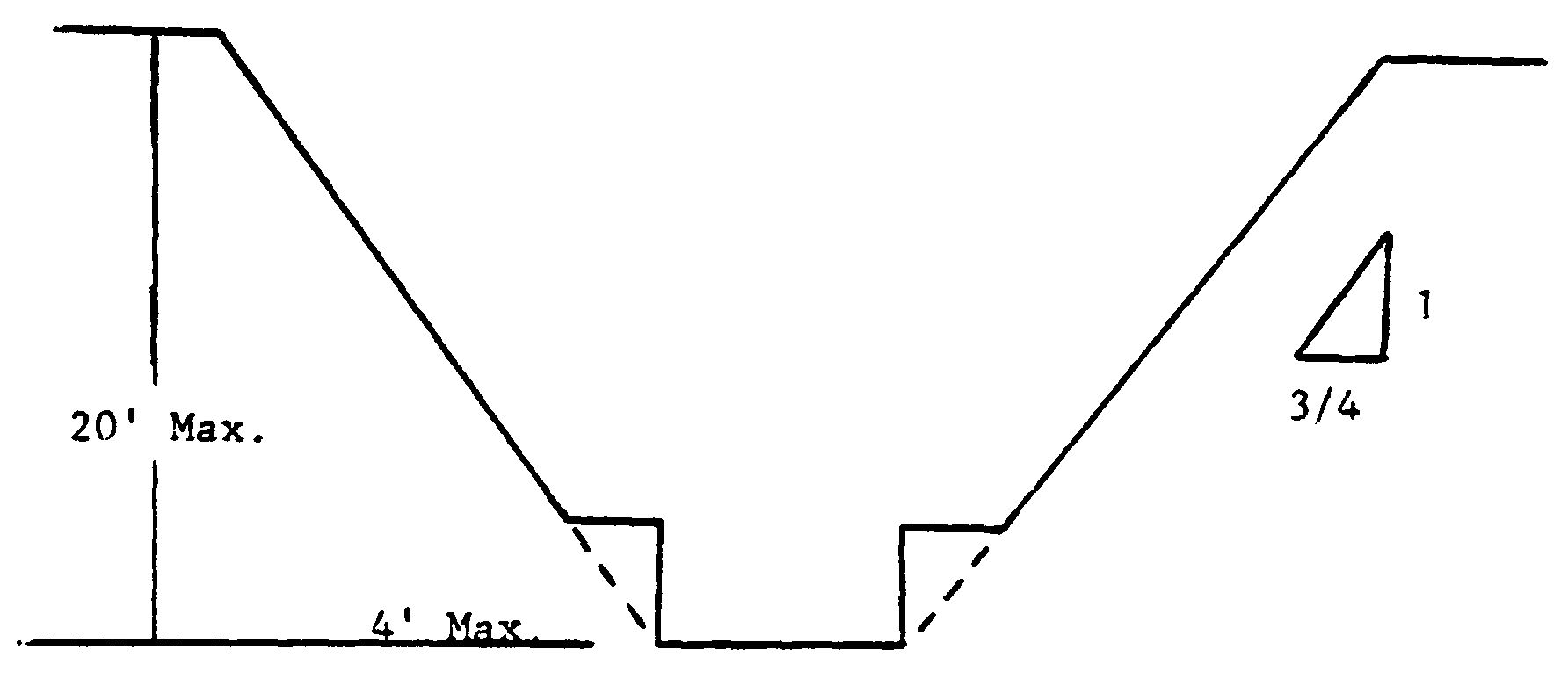
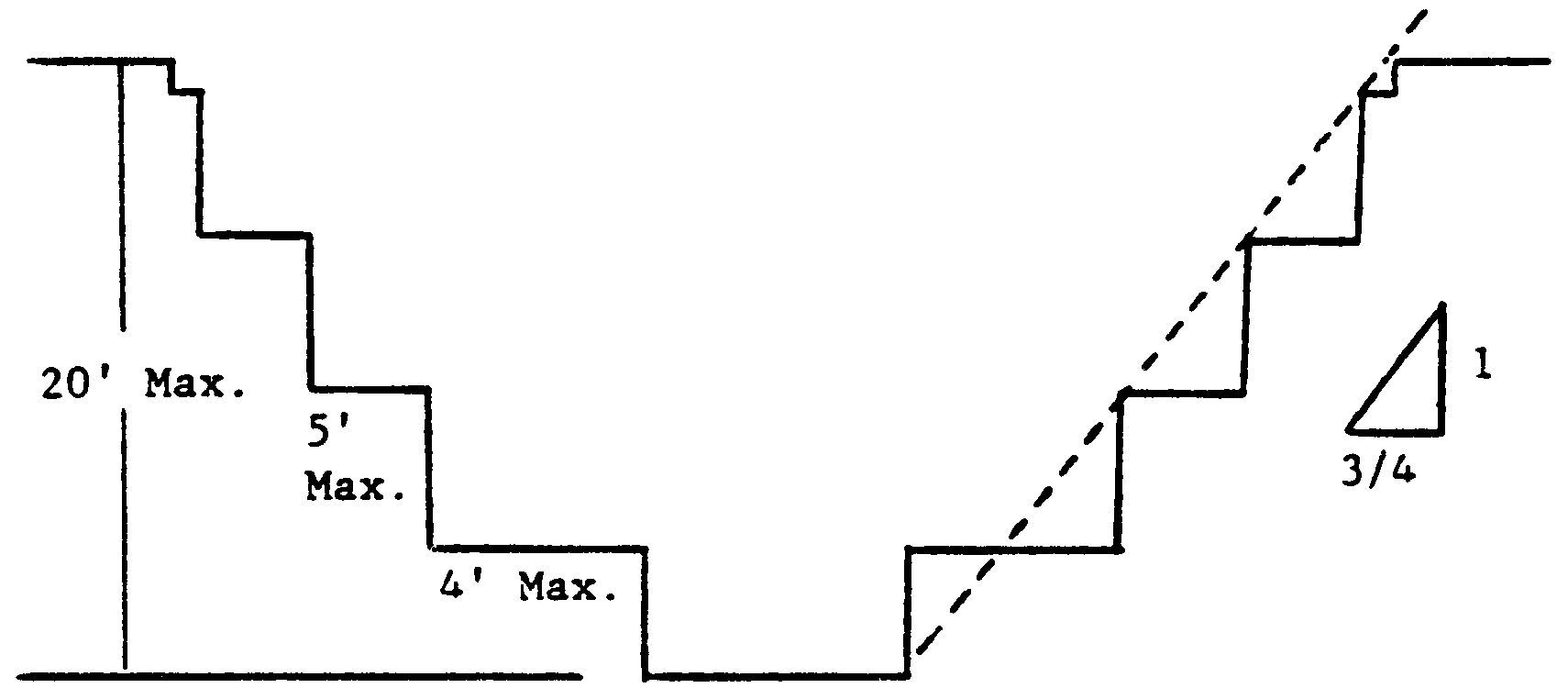
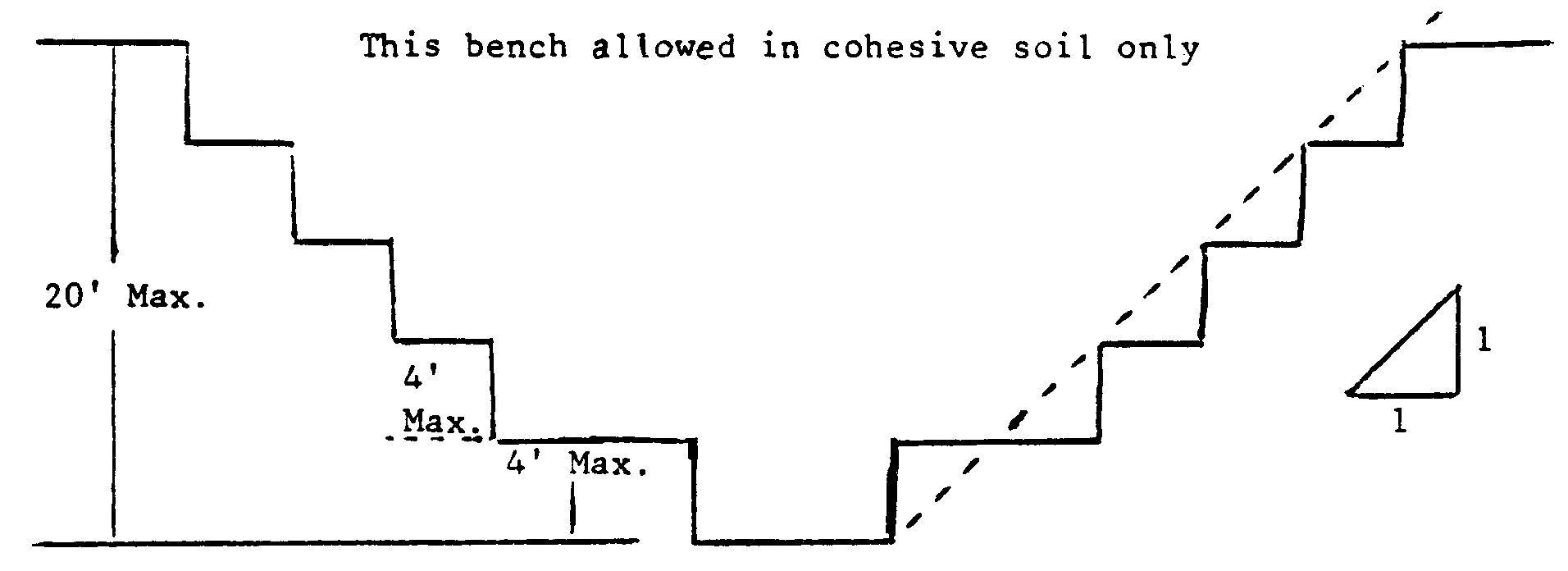
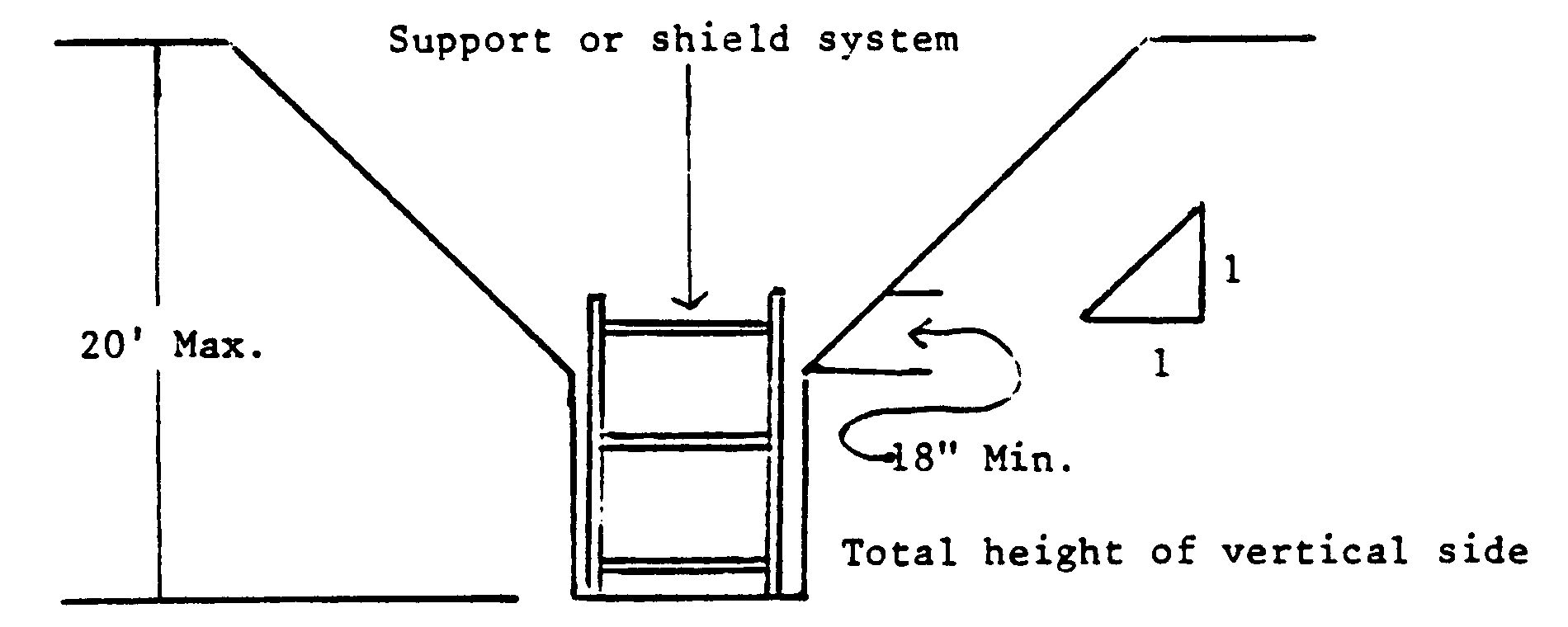
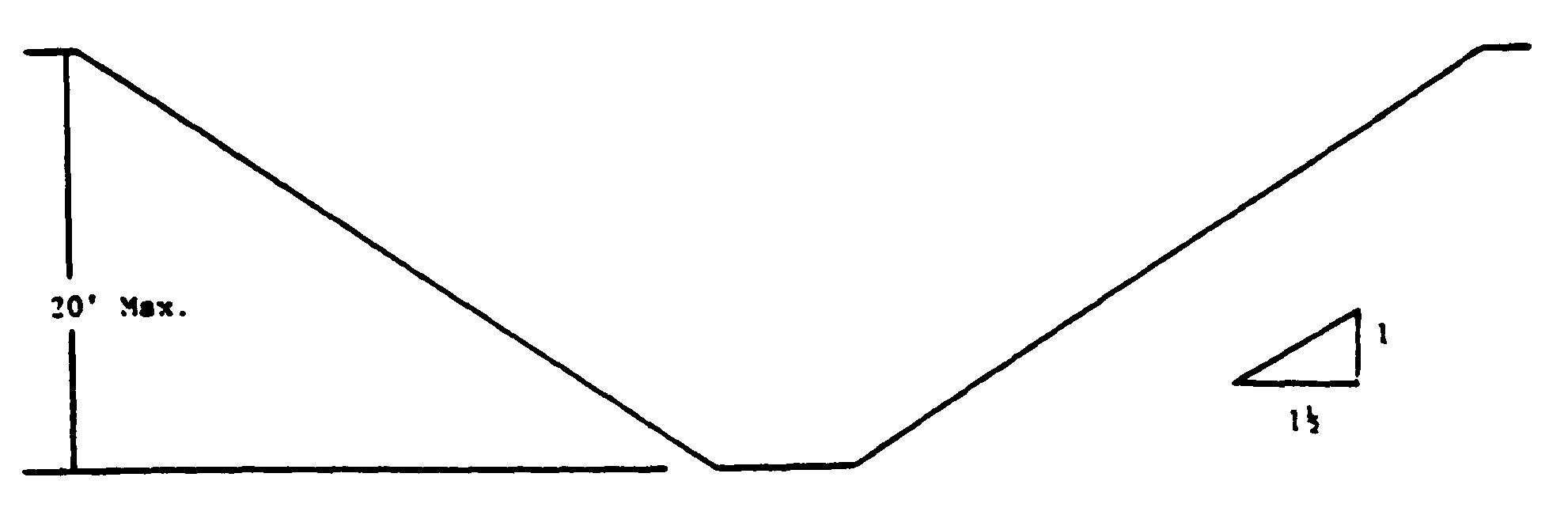
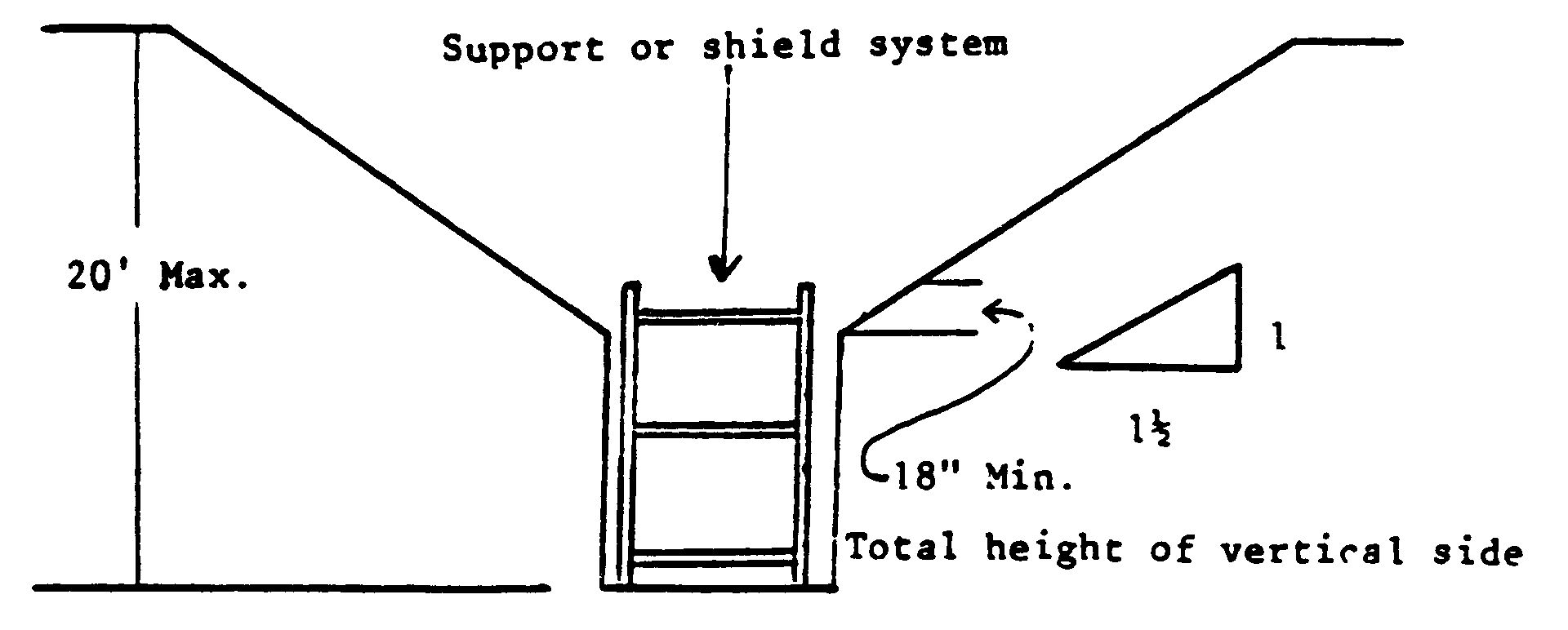
(4) Configurations. Configurations of sloping and benching systems shall be in accordance with Figure B–1.
|
TABLE B-1 |
|
|---|---|
|
MAXIMUM ALLOWABLE SLOPES |
|
|
SOIL OR ROCK TYPE |
MAXIMUM ALLOWABLE SLOPES (H:V)[1] FOR EXCAVATIONS LESS THAN 20 FEET DEEP [3] |
|
STABLE ROCK |
VERTICAL (90°) |
|
TYPE A [2] |
3/4:1 (53°) |
|
TYPE B |
1:1 (45°) |
|
TYPE C |
1 1/2:1 (34°) |
|
NOTES: |
|
|
1. Numbers shown in parentheses next to maximum allowable slopes are angles expressed in degrees from the horizontal. Angles have been rounded off. |
|
|
2. A short-term maximum allowable slope of 1/2H:1V (63°) is allowed in excavations in Type A soil that are 12 feet (3.67 m) or less in depth. Short-term maximum allowable slopes for excavations greater than 12 feet (3.67 m) in depth shall be 3/4H:1V (53°). |
|
|
3. Sloping or benching for excavations greater than 20 feet deep shall be designed by a registered professional engineer. |
2. All other sloped excavations shall be in accordance with the other options permitted in § 1926.652(b).
Cite this article: FindLaw.com - Code of Federal Regulations Title 29. Labor 29 CFR Pt. 1926, Subpt. P, App. B APPENDIX B TO SUBPART P OF PART 1926—SLOPING AND BENCHING - last updated January 02, 2025 | https://codes.findlaw.com/cfr/title-29-labor/cfr-pt-29-1926-subpt-p-app-b/
FindLaw Codes may not reflect the most recent version of the law in your jurisdiction. Please verify the status of the code you are researching with the state legislature before relying on it for your legal needs.
Get help with your legal needs
FindLaw’s Learn About the Law features thousands of informational articles to help you understand your options. And if you’re ready to hire an attorney, find one in your area who can help.
